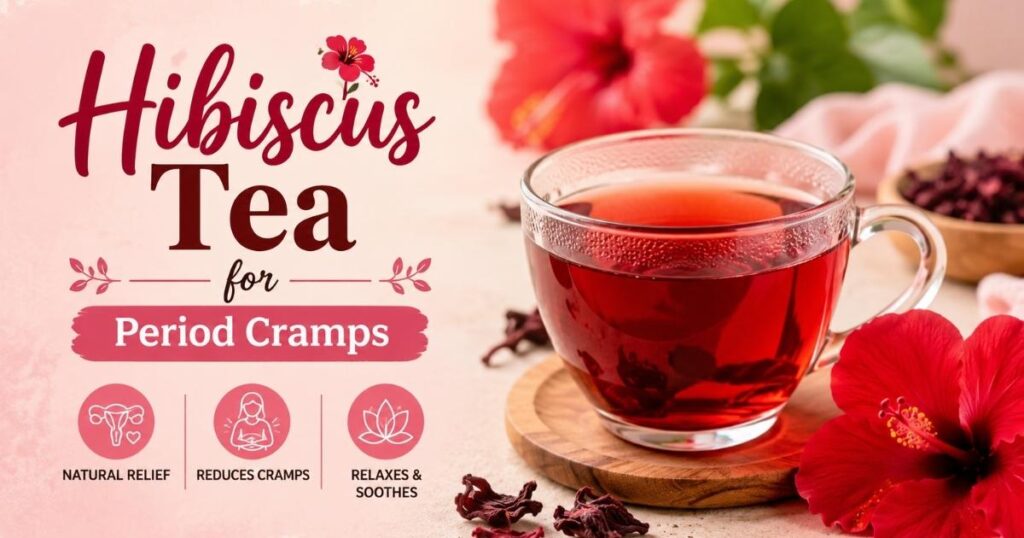
If your period feels like a monthly battle you are losing, you are not alone. Millions of women search for natural, evidence-informed ways to manage menstrual cramps, heavy flow, and hormonal imbalance. Hibiscus tea, brewed from the dried calyces of Hibiscus sabdariffa, is one herbal remedy that keeps rising to the top of those searches and for good reason.
This guide cuts through the noise. We will explain what the research actually says about hibiscus tea, period cramps, menstrual flow, and estrogen levels, so you can make an informed decision with your healthcare provider.
Does Hibiscus Tea Help with Period Cramps?
Yes, hibiscus tea can genuinely help ease period cramps, and the science behind it is more than anecdotal. The key lies in three overlapping mechanisms:
1. Prostaglandin Inhibition
During menstruation, your body releases chemicals called prostaglandins, which signal the uterine muscles to contract and shed the lining. Higher prostaglandin levels correlate directly with more intense cramps. Research published in the Journal of Ethnopharmacology suggests that hibiscus extracts can inhibit these inflammatory compounds, working in a manner similar to a mild, natural version of ibuprofen. It will not replace a painkiller for severe dysmenorrhea, but it can take the edge off.
2. Antispasmodic Action
Cramps are essentially muscle spasms. Lab research has confirmed that hibiscus extract directly inhibits rhythmic contractions in uterine smooth muscle tissue. This antispasmodic effect appears to work through a pathway separate from standard pain signals, meaning it targets the muscle itself rather than just blocking pain receptors. When uterine muscles relax, the sharp, wave-like pelvic pain that defines the first days of a period decreases in intensity.
3. Improving Blood Flow
Poor circulation can worsen menstrual pain. Hibiscus acts as a mild vasodilator, opening blood vessels and improving delivery of oxygen-rich blood to the pelvic region. Anthocyanins and bioflavonoids, the pigments that give hibiscus tea its deep red color, support healthy circulation and reduce the inflammation that amplifies cramping.
Will Hibiscus Tea Make Your Period Heavier or Shorter?
This is one of the most searched questions about hibiscus and menstruation. The short answer is: it depends on the individual, but significant changes are not the norm at moderate intake.
Hibiscus is classified as an emmenagogue, meaning it encourages blood flow to the uterus and can stimulate or slightly increase menstrual flow. For women with a very light or delayed period, this property can actually be helpful. For those who already experience heavy bleeding, drinking large quantities is not recommended.
At one to two cups per day during your cycle, most healthy women will not notice a dramatic change in flow volume. What some women report is a slightly smoother cycle, fewer clot-heavy days at the start, and a somewhat shorter duration of heavy flow. This likely relates to improved uterine circulation rather than any direct hormonal shift.
Key takeaway: Hibiscus tea is considered safe for normal menstrual flow. If you notice a sudden and significant increase in bleeding after adding hibiscus to your routine, stop and consult your healthcare provider promptly.
Hibiscus Tea Benefits for Women
Period cramps are the most discussed symptom, but the menstrual cycle affects the entire body. Hibiscus tea offers a multi-targeted approach to the broader spectrum of PMS and menstrual symptoms.
Fighting “Hormonal Bloating”
Water retention during the luteal phase is caused by fluctuating progesterone and estrogen levels. Hibiscus tea acts as a gentle, natural diuretic. It helps the kidneys release excess sodium and water without depleting essential electrolytes like potassium. This makes it far safer for routine use than over-the-counter diuretic pills, which can cause rebound swelling. Hibiscus also helps regulate aldosterone, the hormone produced by the adrenal glands that controls water and salt balance in the body.
The Vitamin C and Iron Connection
Heavy periods deplete iron stores over time, contributing to fatigue, brain fog, and low mood. Hibiscus tea itself is not a significant source of dietary iron, but it is exceptionally rich in Vitamin C. Vitamin C dramatically enhances non-heme iron absorption from plant-based foods and supplements. Drinking hibiscus tea alongside an iron-rich meal or an iron supplement during your period is a practical, low-effort strategy to improve your iron status and the energy that comes with it.
Additional benefits backed by research include:
- Antioxidant support from anthocyanins that fight oxidative stress linked to PMS
- Anti-inflammatory effects that help reduce pelvic inflammation
- Mild blood pressure-lowering properties, particularly relevant for women with cycle-related hypertension
- Digestive support through natural organic acids that ease bloating and cramping in the gut
Does Hibiscus Tea Lower Estrogen?
This is where things get genuinely complex, and where many articles give misleading or oversimplified answers. The relationship between hibiscus and estrogen is not one-directional.
Phytoestrogens and Menstrual Induction
Hibiscus contains phytoestrogens, plant-based compounds that share a structural similarity with human estradiol. When consumed, these phytoestrogens can bind to estrogen receptors throughout the body and produce weak estrogen-like effects. Research confirms that the phytoestrogens in Hibiscus sabdariffa bind to estrogen receptor alpha (ERα) with notable efficiency.
This receptor activity is one reason hibiscus is considered an emmenagogue. For someone with a late or irregular period not caused by pregnancy, this gentle hormonal nudge can help trigger menstrual flow. It is also why hibiscus has been explored as a supportive remedy for perimenopausal women experiencing symptoms related to declining estrogen.
Hibiscus and Estrogen Levels
Here is the key distinction that most sources get wrong: estrogenic activity is not the same as increased estrogen levels. Phytoestrogens can produce estrogen-like effects in tissues without actually raising the amount of circulating estrogen in your blood. In fact, studies including research published in the Journal of Ethnopharmacology suggest that high doses of hibiscus extract may actually lower circulating estrogen levels over time. This is partly because phytoestrogens can competitively occupy estrogen receptors, blocking the stronger effects of natural estradiol.
A published case report in the PMC further highlighted that hibiscus phytoestrogens can interfere with estrogen-based therapies, such as IVF hormone protocols, by competing for receptor binding sites. This shows that the hormonal effects are real and clinically significant, not merely theoretical.
The Importance of Medical Supervision
Because hibiscus actively influences the endocrine system, it deserves the same respect you would give any supplement that interacts with hormones. Medical supervision is particularly important if you:
- Are taking hormonal birth control (hibiscus may interfere with its effectiveness)
- Are trying to conceive or undergoing fertility treatment
- Are pregnant (hibiscus is contraindicated during pregnancy due to its emmenagogue properties)
- Have been diagnosed with estrogen-dominant conditions such as endometriosis or certain types of PCOS
- Take medications for blood pressure, as hibiscus has additive blood pressure-lowering effects
- Have a known history of low blood pressure or kidney stones
Even for healthy women, starting with one cup per day and observing your body’s response before increasing intake is the medically prudent approach.
How to Brew & The Pre-Period Protocol
Getting the benefits of hibiscus tea is as much about timing and preparation as it is about the tea itself.
The “Pre-Period Protocol”
For optimal results, begin drinking hibiscus tea seven days before your period is expected to begin. This gives the antispasmodic and anti-inflammatory compounds time to build up in your system, so they are already working when prostaglandin production ramps up at the start of your cycle. Aim for one to two cups daily during this pre-period window and through the first two days of your cycle, when cramps tend to be most intense.
The Correct Way to Brew
Follow these steps for a clean, potent brew:
- Use one to two teaspoons of dried Hibiscus sabdariffa calyces per eight ounces of water
- Heat water to approximately 90 to 95 degrees Celsius (just below boiling)
- Steep for five to seven minutes for maximum anthocyanin extraction
- Strain thoroughly and allow to cool slightly before drinking
- Drink without added sugar, or use a small amount of raw honey to preserve the anti-inflammatory benefits
Avoid boiling the hibiscus directly in water, as excessive heat can degrade certain heat-sensitive antioxidants.
The “Glow” Anti-Inflammatory Blend
For enhanced period relief, add the following to your standard hibiscus brew:
- Fresh ginger slice (1 cm): Acts as a secondary muscle relaxant and reduces nausea
- One cinnamon stick: Helps regulate blood flow and has been shown to reduce menstrual pain in clinical trials
- A squeeze of lemon: Boosts Vitamin C content and brightens the flavor
This triple-action blend targets menstrual pain through three separate pathways simultaneously, making it considerably more effective than hibiscus alone.
Does Hibiscus Tea Increase or Decrease Estrogen?
Let us settle this question clearly, because confusion here can lead to poor decisions.
Why People Think It Increases Estrogen
The phytoestrogens in hibiscus bind to estrogen receptors and produce estrogenic activity. Sources that report hibiscus “raises estrogen” are referring to this receptor-level activity, not an increase in the hormone circulating in your blood. Additionally, traditional use of hibiscus in cultures across West Africa, the Caribbean, and Asia to regulate irregular periods reinforces the idea that it stimulates estrogen-driven processes.
Why Research Suggests It May Decrease Estrogen
At higher doses, hibiscus extract has been shown to reduce circulating estrogen levels. The phytoestrogens essentially act as weaker competitors that occupy estrogen receptors without producing the full effect of natural estradiol. Over time, this competitive binding can reduce overall estrogenic signaling, which is why hibiscus may actually be counter-productive for women who are already estrogen-deficient.
What This Means for You
The effect hibiscus has on your estrogen balance depends on your baseline hormonal status, the dose you consume, and the duration of use. A woman with estrogen dominance may benefit from hibiscus tea’s moderating effects. A woman with naturally low estrogen may find it worsens symptoms.
The Bottom Line on Estrogen
One to two cups of hibiscus tea per day is unlikely to cause dramatic hormonal shifts in most healthy, cycling women. If you have a known hormonal imbalance, PCOS, endometriosis, or are using any form of hormonal therapy, discuss hibiscus tea with your OB-GYN or endocrinologist before making it a regular part of your wellness routine.
Understanding Hibiscus Tea Side Effects
Hibiscus tea is well-tolerated by most people, but potential side effects are real and worth knowing:
- Lowered blood pressure: Beneficial for most, but problematic for those already managing hypotension
- Gastrointestinal discomfort: The natural acidity of hibiscus may trigger stomach upset, heartburn, or loose stools in sensitive individuals, particularly on an empty stomach
- Allergic reactions: Rare but possible, including skin reactions in individuals with sensitivities to hibiscus or related plants
- Drug interactions: Hibiscus can interact with antihypertensive medications, diuretics, and hormonal contraceptives
- Kidney stone risk: High oxalate content in hibiscus may contribute to stone formation in predisposed individuals
- Iron absorption interference: While Vitamin C in hibiscus enhances iron absorption, the tannin content may inhibit it if consumed immediately with iron-rich meals. Allow a 30-minute gap.
When to See a Specialist
Hibiscus tea is a supportive tool, not a treatment for underlying reproductive health conditions.
Recognizing the Signs of a Larger Issue
See a gynecologist or your primary care provider if you experience:
- Period cramps so severe they interfere with daily activities, work, or school
- Cycles lasting fewer than 21 days or more than 35 days consistently
- Bleeding that soaks through a pad or tampon in under an hour for multiple consecutive hours
- Spotting or bleeding between periods
- Pelvic pain that persists outside of your menstrual cycle
- Sudden changes in flow volume or cycle length after starting any herbal supplement
These signs may point to conditions including endometriosis, uterine fibroids, PCOS, or thyroid dysfunction, all of which require professional diagnosis and management.
Final Thoughts
Hibiscus tea earns its reputation as a women’s wellness ally. Its antispasmodic action, anti-inflammatory compounds, natural diuretic properties, and phytoestrogenic activity create a genuinely multi-targeted approach to menstrual health. Used correctly, in moderate amounts, at the right time in your cycle, it can meaningfully reduce cramp severity, ease bloating, and support more comfortable periods.
What it is not is a hormone replacement, a contraceptive, or a substitute for medical care. Its interaction with estrogen receptors is real, which is both its greatest benefit and its most important caution.
Treat it as you would any supplement with active biological effects: start low, observe your response, and involve your healthcare provider if you have any underlying conditions or take medications.