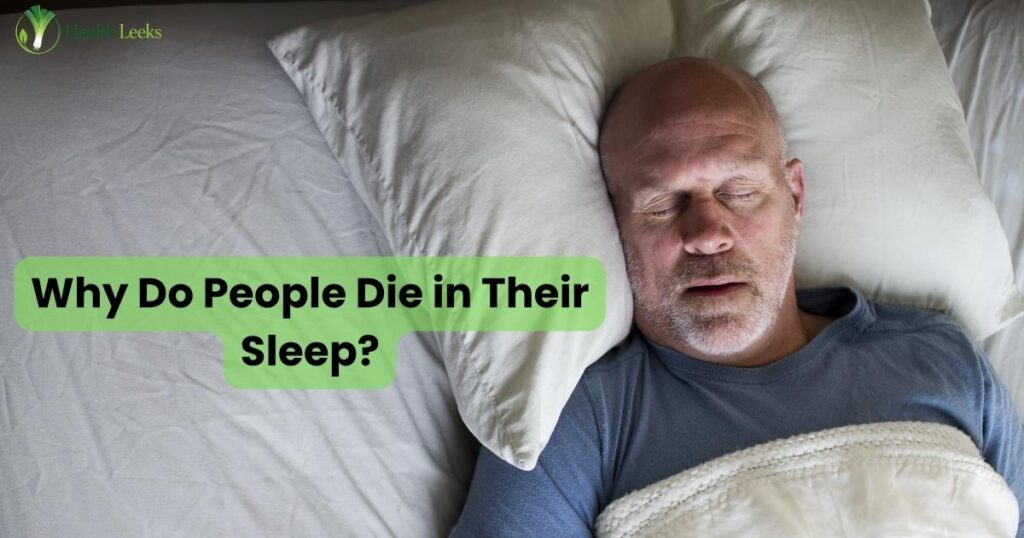
Most people assume dying in sleep is peaceful, reserved for the very old. The truth is more complex and more urgent. Every night, thousands of people go to bed with undiagnosed conditions quietly building toward a fatal event. Understanding what happens inside your body during sleep, and why some people never wake up, could genuinely save your life or the life of someone you love.
The Quiet Mystery: Why Do People Die in Their Sleep?
Sleep is supposed to be the body’s repair time. Your heart slows, blood pressure drops, muscles relax, and the brain cycles through restorative stages. But beneath that calm surface, serious physiological shifts are happening. For people with hidden vulnerabilities, those shifts can become lethal.
Nocturnal death is not random. In most cases, there is an underlying cause, whether cardiovascular, neurological, or respiratory. The challenge is that many of these conditions remain undetected until it is too late.
Common Hidden Causes
Several conditions silently raise the risk of dying during sleep:
- Sudden cardiac arrest caused by ventricular fibrillation or other deadly arrhythmias
- Stroke, which occurs when blood flow to part of the brain is cut off by a clot or bleed
- Obstructive sleep apnea (OSA), which repeatedly stops breathing during sleep
- Epilepsy-related death, known as Sudden Unexpected Death in Epilepsy (SUDEP)
- Carbon monoxide poisoning from faulty heating appliances or gas stoves
- Hypoglycemia in people with type 1 diabetes, when blood sugar crashes overnight
- Respiratory failure from conditions like COPD or central hypoventilation syndrome
- Drug or sedative overdose, which suppresses breathing until it stops entirely
Each of these can strike without warning. And several can exist in a person for years before causing harm.
The Hidden Triggers While You Sleep
Heart Rhythm Disturbances
The heart relies on precise electrical signals to beat in rhythm. During sleep, the autonomic nervous system undergoes significant shifts, especially during REM sleep, when the body can experience surges in sympathetic nervous activity. For people with underlying arrhythmias such as ventricular tachycardia, atrial fibrillation, Brugada syndrome, or long QT syndrome, these nocturnal surges can trigger a fatal rhythm event.
Research published in peer-reviewed cardiology journals has confirmed that certain genetic channelopathies, including Brugada syndrome, show a clear peak in dangerous arrhythmias during nighttime hours. This is why some young, apparently healthy individuals die in their sleep without any prior symptoms.
Sleep Apnea and Oxygen Loss
Obstructive sleep apnea is one of the most dangerous and underdiagnosed sleep disorders in the world. It occurs when the soft tissue at the back of the throat collapses repeatedly during sleep, blocking the airway. Each episode cuts off oxygen supply, sometimes for 10 to 60 seconds or more, and can happen dozens of times per hour.
A landmark study of over 10,700 adults found that people with severe OSA are significantly more likely to experience sudden cardiac death between midnight and 6 a.m., the opposite of the general population’s peak risk window. The repeated oxygen drops force the heart to work harder, elevate blood pressure, and promote dangerous arrhythmias over time. Untreated sleep apnea is linked to more than 38,000 heart-related deaths each year in the United States alone.
Common symptoms of sleep apnea that people often overlook:
- Loud, chronic snoring
- Waking up gasping or choking
- Morning headaches
- Extreme daytime fatigue despite a full night’s sleep
- Difficulty concentrating or memory problems
Blood Pressure Fluctuations
In healthy individuals, blood pressure naturally dips during sleep, a phenomenon doctors call “nocturnal dipping.” This dip is protective. However, in people with hypertension, heart disease, or autonomic dysfunction, blood pressure may instead spike during the night. These spikes increase the risk of both stroke and sudden cardiac death during sleep.
High blood pressure also weakens arterial walls over time. A vessel that has been silently compromised for years can rupture or develop a clot overnight, leading to a hemorrhagic stroke or massive heart attack while the person is completely unaware.
Medication Interactions and Lifestyle Factors
Certain medications and substances significantly increase the risk of nocturnal death. Opioids and sedatives suppress the respiratory drive, meaning the brain sends fewer signals to breathe. When combined with alcohol or taken in higher-than-prescribed doses, this suppression can become fatal.
Key risk factors in this category include:
- Mixing opioid painkillers with benzodiazepines or sleep aids
- Drinking alcohol close to bedtime, which worsens sleep apnea and cardiac stress
- Using recreational drugs that affect heart rhythm or breathing
- Taking medications that interact with ones already prescribed, especially in elderly individuals
Always review your medication list with a pharmacist or physician, particularly if you experience unexplained morning fatigue or difficulty breathing at night.
Can You Really Die in Your Sleep? Doctors Explain
The short answer is yes, and it happens more often than most people realize. According to medical experts, dying in your sleep is most commonly connected to the heart, lungs, or brain. Doctors note that the supine sleeping position (lying flat on your back) itself can alter lung volume and breathing dynamics, particularly in people with pre-existing respiratory conditions.
What Actually Happens
When someone dies in their sleep, the specific chain of events depends on the cause:
- In sudden cardiac arrest, the heart’s electrical system short-circuits. The heart stops pumping blood. Unconsciousness follows within seconds, and death within minutes if no intervention occurs.
- In a stroke, a blood vessel either bursts or becomes blocked. Brain cells begin dying rapidly from oxygen deprivation. The person may never regain consciousness.
- In severe sleep apnea, repeated oxygen drops place enormous stress on the heart over months and years. Eventually, the cardiac system can no longer compensate, and a fatal arrhythmia or heart failure occurs during one of the apnea episodes.
When the Heart Stops While You Dream
REM sleep, the stage during which most vivid dreaming occurs, is a particularly vulnerable window. During REM, the body experiences a temporary paralysis of voluntary muscles, but the autonomic nervous system becomes highly active. Heart rate and blood pressure fluctuate. Sympathetic nervous activity surges.
For people with hidden cardiac conditions, this burst of activity during REM can be the precise moment a fatal arrhythmia is triggered. This helps explain why nocturnal cardiac deaths often occur in the early morning hours between 2 a.m. and 6 a.m., when REM sleep is most concentrated.
Sudden Unexpected Nocturnal Death Syndrome (SUNDS), which occurs predominantly in young Southeast Asian men, is one documented example of a condition where a channelopathy interacts fatally with REM-related autonomic activation.
What Really Happens When You Die in Your Sleep?
From a physiological standpoint, death during sleep usually involves a cascade rather than a single event. Here is what typically unfolds in the most common scenario, sudden cardiac arrest:
- An abnormal electrical signal disrupts the heart’s normal rhythm
- The heart enters ventricular fibrillation, an erratic, ineffective quivering rather than pumping
- Blood flow to the brain stops within seconds
- The person loses consciousness without waking
- Without resuscitation within four to six minutes, brain death begins
In cases of stroke, the progression involves a blocked or ruptured vessel, followed by rapid destruction of brain tissue. The person may or may not show outward signs, though loved ones nearby sometimes notice sudden labored breathing or unusual sounds.
Is Dying in Your Sleep Peaceful or a Silent Struggle?
This is a question many people ask, and it carries both medical and emotional weight. In cases of sudden cardiac arrest or massive stroke, evidence suggests there is little to no subjective experience of pain or distress. Loss of consciousness is nearly instantaneous.
However, dying in sleep is not always peaceful. Conditions like severe sleep apnea, epileptic seizures, or respiratory failure can involve genuine physiological distress, even if the person remains unaware of it consciously. Cheyne-Stokes respiration, an abnormal breathing pattern involving cycles of fast shallow breaths followed by pauses, is sometimes observed in people near death and signals significant physiological strain.
The honest answer: it depends entirely on the cause. Sudden cardiac arrest is among the most abrupt and least distressing, while respiratory conditions may involve a more prolonged decline.
The Wake-Up Call: How to Protect Yourself
Recognize the Warning Signs
Your body often gives signals long before a fatal event during sleep. Do not ignore these red flags:
- Chest pain, tightness, or palpitations, especially at night
- Waking up breathless or gasping for air
- Persistent, unexplained morning headaches
- Extreme fatigue despite adequate sleep
- Loud snoring reported by a partner
- Episodes of fainting or near-fainting
- High blood pressure that is poorly controlled
- A family history of sudden cardiac death or arrhythmia
If you experience any of these symptoms regularly, schedule a medical evaluation promptly.
Evidence-Based Prevention
Reducing your risk of dying in your sleep is achievable with the right steps:
- Get screened for sleep apnea. A sleep study (polysomnogram) can diagnose OSA, and CPAP therapy has been shown to reduce the risk of associated cardiovascular death significantly.
- Monitor and manage blood pressure. Regular measurement at home or through your doctor helps catch dangerous spikes early.
- Request a cardiac evaluation if you have palpitations, a family history of early heart disease, or unexplained fainting. An ECG or Holter monitor can detect hidden arrhythmias.
- Control diabetes carefully. For people with type 1 diabetes, monitoring blood glucose before bed and using continuous glucose monitors reduces the risk of fatal overnight hypoglycemia.
- Install carbon monoxide detectors in your home, especially near bedrooms and heating sources.
- Review medications with your doctor at least once a year. Dangerous interactions are more common in people taking multiple prescriptions.
- Limit alcohol before bedtime. Alcohol worsens sleep apnea and disrupts cardiac electrical stability overnight.
- Do not ignore epilepsy management. People with poorly controlled seizures face the highest risk of SUDEP. Working closely with a neurologist to optimize treatment is critical.
Sleep Isn’t the Enemy, Ignorance Is
It would be easy to read this article and feel anxious about going to sleep. That reaction, though understandable, misses the point. Sleep itself is profoundly protective. People who sleep well, address underlying health conditions, and stay informed dramatically reduce their risk of nocturnal death.
The real danger is not sleep. It is the culture of ignoring symptoms, skipping checkups, dismissing loud snoring as harmless, and treating chest tightness as something that will just go away. Most conditions that cause death during sleep are diagnosable and treatable, often with straightforward interventions.
Knowledge, screening, and honest conversations with your healthcare provider are far more powerful than fear.
Final Thoughts
Dying in your sleep happens. It is not a myth, and it is not always peaceful in the way people imagine. Sudden cardiac arrest, stroke, sleep apnea, and other hidden conditions can end a life silently in the night, often in people who had no idea they were at risk.
But here is what matters most: the majority of these causes are identifiable. They leave clues, produce symptoms, and respond to treatment when caught in time. If you have been putting off a cardiac screening, ignoring your partner’s concerns about your snoring, or skipping routine blood pressure checks, this is your wake-up call.
Prioritize your health. Get screened. Ask questions. Because the best way to make sure you wake up tomorrow is to take action today.