
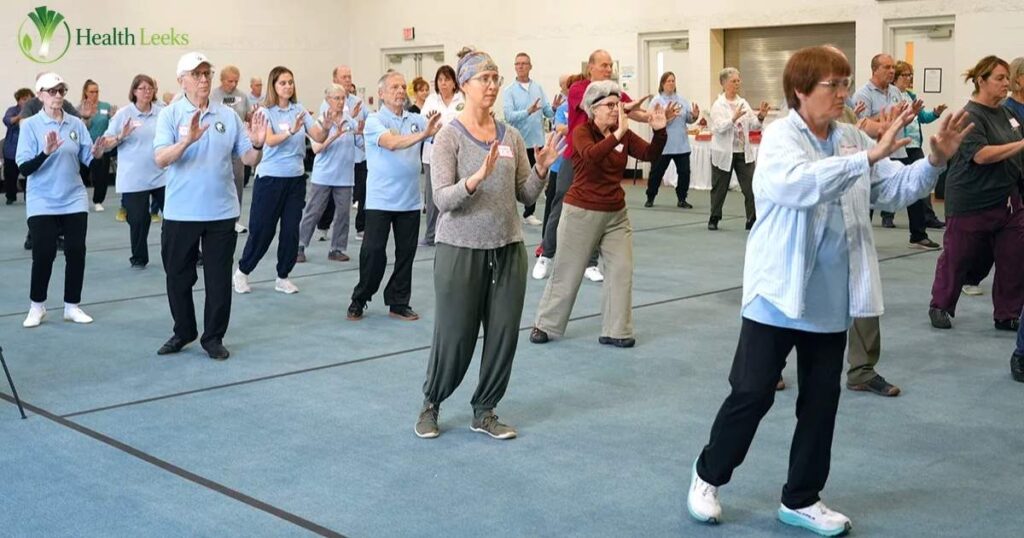
If you have ever felt that your exercise routine is too intense, too fast, or simply too hard on your joints, Tai Chi walking might be exactly what your body needs. Rooted in ancient Chinese martial arts tradition, Tai Chi walking transforms a simple daily activity into a powerful mind-body practice. It combines slow, deliberate movement with controlled breathing, proper posture, and mindful awareness. The result is a gentle yet deeply effective exercise that anyone can begin regardless of age, fitness level, or prior experience.
This step-by-step guide is designed to walk you through everything, from setting up your space to finishing your session with calm and intention.
Tai Chi Walking for Beginners
Tai Chi walking is one of the most beginner-friendly forms of exercise available today, and for good reason. Unlike high-intensity workouts that demand speed, strength, or flexibility from day one, Tai Chi walking meets you exactly where you are.
Here is why it stands out for newcomers:
- Low-impact on joints: There is no jumping, pounding, or strain. Every step is soft and controlled, making it ideal for older adults, those recovering from injury, or anyone with knee or hip discomfort.
- No equipment needed: You only need comfortable clothing, flat shoes, and a small open area. No gym membership, no machines, no special gear.
- Accessible for all fitness levels: Whether you are a complete beginner or returning to exercise after years away, the movements can be scaled to your comfort.
- Mind-body connection from day one: Tai Chi walking trains your awareness of posture, weight distribution, and breath simultaneously, building a foundation that benefits every other area of physical health.
- Reduces stress quickly: The slow, rhythmic nature of the practice activates the parasympathetic nervous system, helping lower cortisol levels and create a genuine sense of calm after just one session.
Research consistently supports Tai Chi as an effective practice for improving balance, reducing fall risk in seniors, easing anxiety, and building overall physical coordination. Starting with the walking form gives you immediate access to these benefits while learning at a sustainable pace.
Step-by-Step Guide to Tai Chi Walking
Prepare Your Space and Body
Before you take your first Tai Chi step, a little preparation goes a long way. Choose a quiet, flat space where you can walk at least six to ten feet without obstacles. A garden, a living room with furniture moved aside, or any calm outdoor area works well.
Wear loose, comfortable clothing that allows free movement through your hips and legs. Flat-soled shoes with a thin grip are ideal. Avoid thick-soled sneakers that raise your heel or reduce ground sensitivity.
Once your space is ready, stand still for a moment. Take three slow, deep breaths through your nose and exhale gently through your mouth. Let your shoulders drop, release any tension in your jaw, and bring your attention fully into your body. This brief centering practice is not a formality, it is the beginning of the session itself.
Adopt the Basic Stance
Stand with your feet shoulder-width apart. Distribute your weight evenly across both feet, pressing softly into the floor without gripping or stiffening. Slightly bend your knees so they are relaxed rather than locked. Keep your spine upright and imagine a gentle upward lift through the crown of your head, as if a light cord runs from the base of your spine straight up to the ceiling.
Relax your arms naturally at your sides. Your chin should remain parallel to the floor, not tucked too far inward or lifted too high. This aligned, relaxed posture is the foundation of all Tai Chi movement. Spend thirty seconds simply standing and breathing in this position before you begin to step.
Take Slow, Mindful Steps
Now comes the core of Tai Chi walking. The goal is to move with complete intentionality, every step is placed with full awareness.
Follow this sequence:
- Shift your body weight entirely onto your right leg until your left foot becomes “empty”, meaning it carries no weight at all.
- Slowly lift your left foot and step forward, placing the heel down first.
- Gradually roll from the heel through the ball of the foot until your entire left foot is flat on the ground.
- Now shift your weight forward onto the left leg until it is fully bearing your body.
- The right foot becomes empty. Lift it and step forward, repeating the heel-to-toe placement.
Move at a pace that feels almost uncomfortably slow at first. That slowness is intentional, it trains balance, strengthens stabilizing muscles, and builds the kind of body awareness that everyday rushing never allows. Keep your steps small and controlled rather than long and reaching.
Add Gentle Arm Movements
Once your footwork begins to feel natural, you can begin coordinating gentle arm movements. This is what elevates Tai Chi walking from mindful strolling into a true whole-body practice.
As your left foot steps forward, allow your right arm to float slightly forward and your left arm to drift gently back, mirroring the natural swing of walking but slowed down and made graceful. Your arms should remain soft at the elbows, never fully straight or stiff. Think of them as flowing like seaweed in calm water, responding to the movement of your body rather than being forced into position.
Avoid swinging your arms widely or mechanically. The movement is subtle, fluid, and relaxed. Over time, as your coordination improves, you can begin practicing more structured arm forms from traditional Yang-style Tai Chi, but in the beginning, natural softness is enough.
Focus on Breath and Awareness
Breathing is not a separate element in Tai Chi walking, it is woven into every movement. As you step forward, inhale slowly and steadily. As you shift your weight and settle, exhale. The breath should never be forced, held, or exaggerated. It flows with the movement rather than being imposed upon it.
This breath-movement coordination activates what practitioners refer to as the dan tian, your body’s energetic center located just below the navel. Breathing into this area while moving engages your core gently and promotes better posture and stability throughout the session.
Keep your gaze soft and slightly downward, about ten to fifteen feet ahead of you. Avoid looking at your feet constantly, as this can disrupt your posture and pull your head forward. Let your attention rest broadly on your whole body, noticing how your weight shifts, how your muscles engage, and how your breath moves in rhythm with your steps.
Ending the Session
Finishing your Tai Chi walking session with intention is just as important as how you begin. Come to a gentle stop and return to your initial stance, feet shoulder-width apart, knees softly bent, spine tall.
Place your hands over your lower abdomen, one over the other, and take five slow, full breaths. This closing posture helps settle the energy you have cultivated during your practice and brings your awareness back to stillness. Take a moment to notice how you feel, your balance, your breath, your sense of calm. Even a ten to twenty minute session can produce a noticeable shift in both mood and physical awareness.
Can Tai Chi Walking Help With Weight Loss?
This is one of the most common questions from beginners, and the honest answer is: yes, but with realistic expectations.
Tai Chi walking is not a high-calorie-burning exercise in the way that running or cycling is. The slow pace means your cardiovascular demand stays relatively low. However, it contributes to weight management in several important and often overlooked ways:
- Muscle engagement: The slight squat position maintained throughout the practice engages your legs, core, and lower back muscles consistently, which builds lean muscle mass over time and raises your resting metabolic rate.
- Cortisol reduction: Chronic stress is directly linked to elevated cortisol levels, which promote abdominal fat storage. Tai Chi walking lowers cortisol through mindful movement and deep breathing, creating a hormonal environment more favorable to fat loss.
- Consistency over intensity: Because Tai Chi walking is low-impact and deeply enjoyable, people actually stick with it. A sustainable daily habit of twenty to thirty minutes will achieve more meaningful results over months than an intense workout done twice and then abandoned.
- Mindful eating: Regular practitioners often report becoming more attuned to hunger and fullness cues, reducing emotional or stress-driven eating naturally.
For best results with weight management, pair Tai Chi walking with a balanced diet and complement it two to three times per week with a slightly more active form of movement such as brisk walking or light strength training.
Additional Benefits of Practicing Daily
Committing to even a short daily Tai Chi walking session delivers a wide range of physical and mental health benefits that compound over time:
- Improved balance and fall prevention: By training controlled weight shifts and single-leg stability, Tai Chi walking directly reduces fall risk, a critical benefit for older adults.
- Better posture: The upright, aligned stance practiced during every session gradually retrains your natural posture throughout the day.
- Reduced joint pain: The gentle, low-impact movements improve circulation around the joints and reduce inflammation, often easing discomfort in the knees, hips, and lower back.
- Enhanced mental clarity: The meditative focus required during practice trains your attention and has been linked to reduced symptoms of anxiety and depression.
- Improved sleep quality: Regular Tai Chi practice has been shown in multiple studies to improve sleep duration and quality, particularly in older adults.
- Greater flexibility and range of motion: The slow, full-range movements keep muscles and connective tissue supple without the risk of overstretching.
Tips for Beginners to Get Started
Starting a new practice is always easiest when you set yourself up for early success. Here are practical tips to help you build a lasting Tai Chi walking habit:
- Start with five to ten minutes: Resist the urge to do a full thirty-minute session on day one. Short, focused sessions done consistently are far more valuable than long sessions done sporadically.
- Practice in the morning: Many practitioners find that a morning session sets a calm, focused tone for the entire day. It also ensures the session happens before the day’s demands push it aside.
- Go slower than feels natural: If you think you are moving slowly enough, try going slower. The slowness is where the real benefit lives.
- Do not worry about perfection: Wobbling is normal in the early weeks. Consistency matters far more than technical precision at this stage.
- Use video guidance: Watching a qualified instructor demonstrate the movements adds a layer of clarity that written instructions alone cannot fully provide. Look for reputable resources from certified Tai Chi instructors.
- Listen to your body: Mild muscle fatigue is expected. Sharp pain is not. If any movement causes discomfort beyond normal exertion, reduce your step length, reduce your knee bend, or shorten your session.
- Combine with standing meditation: Once you are comfortable with the basic walk, standing meditation for two to three minutes before or after each session deepens the mind-body benefits significantly.
FAQ’s
How long should a beginner practice Tai Chi walking each day?
Start with five to ten minutes daily and gradually build to twenty to thirty minutes as your comfort and confidence grow.
Do I need a teacher to learn Tai Chi walking?
No, beginners can start with quality online tutorials or written guides, though a qualified instructor will refine your technique faster.
Is Tai Chi walking safe for seniors?
Yes, it is one of the most recommended low-impact exercises for older adults and is widely used in fall prevention programs.
Can I practice Tai Chi walking indoors?
Absolutely. You only need a clear flat space of about six to ten feet in length to practice effectively indoors.
How soon will I notice results from Tai Chi walking?
Most beginners notice improved balance, reduced stress, and better body awareness within two to four weeks of consistent daily practice.
Does Tai Chi walking help with knee pain?
When practiced correctly with proper alignment and controlled weight shifts, it can reduce knee discomfort, but step length should be kept short to avoid strain.
What is the difference between Tai Chi walking and regular walking?
Tai Chi walking is slower, more deliberate, and focuses on mindful weight shifting, breath coordination, and full-body posture rather than speed or distance.
Conclusion
Tai Chi walking is more than an exercise, it is a practice that teaches you how to move through life with greater awareness, ease, and intention. By starting with these foundational steps and committing to even a few minutes each day, you will begin to notice improvements in your balance, posture, stress levels, and overall sense of wellbeing. The beauty of Tai Chi walking is that there is no finish line to reach. Every session is complete in itself. Start slow, stay consistent, and let the practice grow naturally at your own pace.