
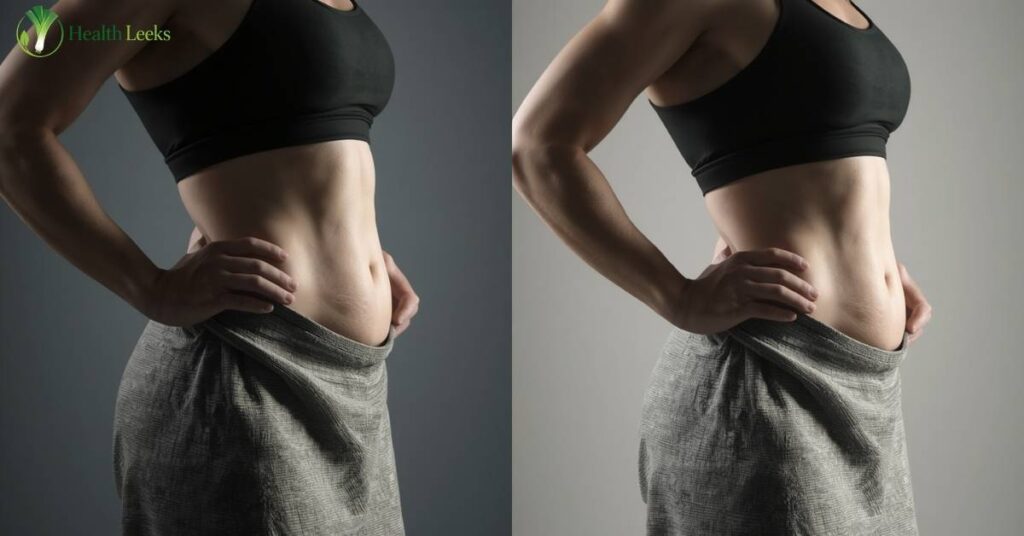
If you have an apron belly, also known as a pannus stomach or mother’s apron, you are not alone. Millions of people deal with excess skin and fat that hangs from the lower abdomen, often after pregnancy, significant weight changes, or hormonal shifts. The good news is that consistent exercise, smart nutrition, and lifestyle adjustments can produce real, visible improvements over time.
This guide gives you an honest, research-backed picture of what apron belly before and after exercise actually looks like, which workouts deliver results, what to eat, and when you should speak with a doctor.
Can Exercise Reduce Apron Belly? The Realistic Truth
The short answer is yes, but not overnight and not through spot reduction alone. The body cannot burn fat from one targeted area. Instead, exercise creates a calorie deficit, improves muscle tone, and drives overall fat loss, which gradually reduces the size and appearance of the apron belly.
Here is exactly how exercise helps:
1. Burns Overall Body Fat
Cardio and strength training together increase your total daily calorie burn. Over weeks and months, this leads to full-body fat reduction, including in the lower abdomen where the pannus hangs.
2. Tightens and Strengthens the Core
Exercises like planks and dead bugs target the transverse abdominis, the deep stabilizing muscle that acts like a natural corset. Strengthening this muscle pulls the lower belly inward and reduces visible protrusion.
3. Reduces Bloating and Fluid Retention
Movement stimulates digestion, reduces gas buildup, and supports lymphatic drainage. Many people notice their belly looks flatter simply because consistent exercise reduces chronic bloating.
4. Improves Posture
A weak core forces the pelvis to tilt forward, making the belly appear larger than it actually is. Core-focused workouts correct this anterior pelvic tilt, visually reducing the belly overhang without any fat loss required.
5. Enhances Overall Muscle Tone
Building lean muscle raises your resting metabolic rate. The more muscle you carry, the more calories your body burns at rest, which accelerates fat loss around the entire midsection.
6. Supports Hormonal Balance
Regular physical activity lowers cortisol levels, the stress hormone closely linked to visceral and lower belly fat accumulation. Exercise also improves insulin sensitivity, which directly affects how the body stores fat in the abdominal region.
Realistic Expectation:
Exercise alone will not eliminate an apron belly, especially if excess loose skin is a factor. However, combined with a calorie-conscious diet and consistent habits, most people see meaningful improvements in shape, firmness, and size between 8 and 16 weeks.
What Results You Can Expect From Apron Belly Before and After Exercise
Understanding the realistic timeline sets you up for success and prevents early discouragement.
Week 1–2: Foundation Phase (Internal Changes Begin)
During the first two weeks, visible changes are minimal. But internally, important processes begin. Your metabolism starts to adapt, your core muscles engage more efficiently, and inflammation begins to reduce. Most people feel less bloated and notice improved energy levels before they see any physical change.
Week 3–6: Early Visible Improvements
This is when most people catch their first glimpse of progress. The lower belly may look slightly less full when viewed from the side. Clothing may feel a little looser around the waistband. Core strength improves noticeably, and posture begins to straighten, which alone can make the belly appear smaller.
Week 7–12: Noticeable Before-and-After Transformation
By the end of three months of consistency, the difference becomes visible in photos. The belly overhang reduces in depth. The skin under the apron feels firmer. Many people report a loss of 1 to 2 inches around the waist during this phase when exercise is combined with dietary changes.
3–6 Months: Significant Reduction and Shape Change
With sustained effort over several months, the apron belly shrinks considerably in most cases. The hanging skin begins to retract slightly, muscle definition becomes visible under the belly area, and overall body composition shifts in a positive direction.
Important Reality Check
Loose skin that remains after major weight loss or pregnancy may not fully tighten through exercise alone. In those cases, medical consultation and possible cosmetic procedures may be appropriate. Genetics, age, and skin elasticity all influence how much the skin rebounds.
8 Best Exercises for Apron Belly (Effective and Safe for Visible Results)

These exercises are chosen because they are either core-specific, high in calorie burn, or low-impact enough to work for beginners and postpartum bodies.
1. Planks (Strengthen Deep Core Muscles)
Hold a forearm plank position for 20 to 40 seconds, keeping your hips level and spine neutral. Planks activate the transverse abdominis deeply, creating a tightening effect across the lower belly. Aim for 3 sets daily.
2. Reverse Crunches (Targets Lower Abs Safely)
Lie on your back, bring your knees toward your chest, and curl your hips slightly off the floor using your lower abs. This movement targets the lower abdominal wall without straining the neck or back. Do 3 sets of 12 to 15 reps.
3. Leg Raises (Strong Lower Ab Toning)
Lying flat, keep your legs straight and lift them to a 90-degree angle, then slowly lower without touching the floor. This builds serious lower abdominal strength. Complete 3 sets of 10 to 12 reps. Beginners can bend the knees slightly to reduce difficulty.
4. Dead Bug (Safe for Beginners)
Lie on your back with arms extended toward the ceiling and knees bent at 90 degrees. Slowly lower one arm and the opposite leg toward the floor while keeping your lower back pressed down. Return and switch sides. This is one of the safest and most effective exercises for deep core activation, including during postpartum recovery.
5. Pelvic Tilts (Reduces Lower Back Arch and Belly Protrusion)
Lie on your back with knees bent and gently flatten your lower back to the floor by tightening your abs. Hold for 5 seconds and release. This gentle move corrects anterior pelvic tilt, which is one of the primary reasons the belly appears to push forward excessively.
6. Mountain Climbers (High-Calorie Burn)
From a push-up position, drive your knees toward your chest alternately at a controlled, steady pace. Mountain climbers elevate the heart rate while engaging the full core, making them a powerful fat-burning exercise. Do 3 sets of 30 seconds.
7. Brisk Walking or Incline Walking (Underrated but Powerful)
Walking at a brisk pace for 30 to 45 minutes daily is one of the most sustainable, joint-friendly ways to create a consistent calorie deficit. Adding incline significantly increases calorie burn and engages the glutes and lower core more effectively. Many people underestimate this exercise, but regular walkers often see significant improvements in belly size over months.
8. Cycling or Stationary Bike (Low-Impact Belly Fat Reduction)
Cycling raises your heart rate without placing stress on the joints. It burns a substantial number of calories, supports cardiovascular health, and can be maintained for longer sessions than high-impact activities. Even 20 to 30 minutes of moderate cycling five days a week contributes meaningfully to fat reduction over time.
Why These Exercises Work
These movements work because they combine two essential components: deep core strengthening to tighten the abdominal wall, and cardiovascular activity to burn the fat layer resting on top of those muscles. Without addressing both, results remain limited.
Diet Tips That Help Reduce Apron Belly
No exercise routine delivers full results without a supporting diet. Nutrition accounts for roughly 70 to 80 percent of body composition outcomes.
1. Focus on High-Protein Meals
Protein keeps you full longer, reduces cravings, and helps preserve lean muscle during fat loss. Aim for lean sources like chicken breast, eggs, fish, Greek yogurt, lentils, and tofu at every meal.
2. Cut Back on Processed Carbs and Added Sugar
White bread, pastries, sugary beverages, and packaged snacks spike blood sugar and promote fat storage around the belly. Replace them with whole grains like oats, brown rice, and quinoa.
3. Choose Fiber-Rich Foods to Reduce Bloating
Vegetables, legumes, berries, and flaxseed improve digestion and prevent the chronic bloating that makes the belly appear larger. Aim for at least 25 to 30 grams of dietary fiber daily.
4. Add Healthy Fats for Hormonal Balance
Avocado, olive oil, walnuts, and fatty fish contain omega-3 fatty acids that regulate inflammation and support healthy cortisol levels, directly reducing the tendency to store fat in the lower belly.
5. Drink More Water: Hydration Reduces Belly Swelling
Dehydration signals the body to retain water, causing the abdomen to look puffier. Drinking 8 to 10 glasses of water daily flushes out excess sodium and reduces this fluid retention effectively.
6. Reduce Sodium to Prevent Lower Belly Puffiness
High sodium intake causes the body to hold water, particularly in the abdominal region. Read labels carefully and limit processed, canned, and restaurant foods that are frequently high in hidden salt.
7. Avoid Eating Late at Night
Late-night eating disrupts metabolism and promotes fat storage because activity levels are low and the body is preparing for rest. Try to finish your last meal at least two to three hours before bedtime.
8. Try a Balanced, Sustainable Eating Pattern
A moderate calorie deficit of 300 to 500 calories per day is sustainable and effective. Avoid extreme restriction because it slows metabolism and triggers muscle loss, making the belly appear softer and flabbier.
9. Limit Alcohol
Alcohol is calorie-dense, impairs fat metabolism, and disrupts sleep quality. Beer and sweet cocktails are particularly linked to belly fat accumulation, often called a “beer belly” for good reason.
10. Eat Smaller, More Frequent Meals If You Feel Bloated
For people prone to bloating, eating four to five smaller meals rather than two or three large ones keeps digestion running smoothly and prevents that uncomfortable distended belly feeling after eating.
Simple Apron Belly Meal Example (1-Day Plan)
Below is a practical day of eating that supports belly fat reduction:
Breakfast: Scrambled eggs with spinach and whole grain toast, black coffee or green tea
Mid-Morning Snack: Greek yogurt with a handful of blueberries
Lunch: Grilled chicken salad with mixed greens, cherry tomatoes, cucumbers, olive oil, and lemon dressing
Afternoon Snack: A small apple with a tablespoon of almond butter
Dinner: Baked salmon with roasted vegetables and a small portion of brown rice
Hydration: 8 to 10 glasses of water throughout the day
This plan is rich in protein, fiber, and healthy fats while minimizing processed carbs, added sugars, and excess sodium.
Habits That Help Improve Apron Belly
Beyond exercise and diet, daily habits have a profound influence on belly fat and overall body composition.
1. Prioritize 7–8 Hours of Sleep
Poor sleep elevates ghrelin, the hunger hormone, and suppresses leptin, the fullness hormone. This combination drives overeating and promotes fat storage, particularly around the belly. Quality sleep is genuinely one of the most underrated fat-loss tools.
2. Reduce Stress to Lower Cortisol Belly Fat
Chronic stress keeps cortisol elevated, which directly signals the body to store fat in the lower abdominal region. Journaling, meditation, gentle yoga, or simply spending 20 minutes outdoors daily can meaningfully lower cortisol over time.
3. Avoid Long Sitting Hours
Prolonged sitting weakens the hip flexors and core muscles, worsening anterior pelvic tilt and making the belly protrude more. Stand up every 30 to 45 minutes, take short walking breaks, and consider a standing desk if your work is desk-based.
4. Stay Consistent with Daily Movement
Consistency matters far more than intensity. A 30-minute daily walk every day of the week produces better long-term results than three intense gym sessions with four rest days in between.
5. Limit Smoking and Alcohol
Both smoking and alcohol impair metabolism, disrupt hormonal balance, and contribute to fat storage. Reducing or eliminating these habits accelerates every other result you are working toward.
6. Do Not Skip Meals
Skipping meals causes blood sugar crashes, triggers intense hunger, and often leads to overeating later in the day. Eating regular, balanced meals keeps metabolism steady and prevents the cycle of restrict-and-binge.
7. Practice Good Posture
Standing tall with your shoulders back and core slightly engaged visually reduces the belly’s appearance immediately and also strengthens the muscles responsible for holding the lower abdomen in over time.
8. Track Your Progress Weekly
Take weekly photos from the same angle and lighting. Measure your waist circumference monthly. Tracking helps you spot trends, stay motivated when the scale stalls, and make informed adjustments to your plan.
Hormonal Factors That Can Make Apron Belly Worse
Understanding hormones is essential because they can quietly undermine even the best exercise and diet plan.
Elevated Cortisol: Chronic stress keeps cortisol high, which directly promotes visceral fat storage in the lower abdomen. This is why people with high-stress lifestyles often struggle disproportionately with belly fat.
Insulin Resistance: When cells stop responding to insulin efficiently, the body stores more fat, particularly in the abdominal region. A diet high in refined carbs accelerates this process.
Low Estrogen During Menopause: As estrogen levels decline during perimenopause and menopause, fat distribution shifts from the hips and thighs toward the abdomen, worsening apron belly in women who previously carried weight elsewhere.
Thyroid Dysfunction: An underactive thyroid slows metabolism significantly, making weight gain easier and fat loss extremely difficult regardless of effort.
Diastasis Recti: A common postpartum condition where the abdominal muscles separate along the midline. This causes the belly to bulge forward and requires specific rehabilitation exercises rather than standard crunches.
If you suspect a hormonal imbalance is driving your apron belly, blood work ordered by your physician can identify the issue and open appropriate treatment pathways.
When to Consult a Doctor About Your Apron Belly
Most apron belly cases respond well to lifestyle changes. However, there are specific situations where medical evaluation is the right step.
Your Belly Is Growing Quickly Without Weight Gain
Rapid abdominal expansion unrelated to eating habits can signal fluid accumulation, organ enlargement, or other internal conditions that require investigation.
You Have Symptoms of Diabetes or Blood Sugar Problems
Increased thirst, frequent urination, fatigue, and blurred vision alongside a growing belly warrant blood sugar testing. Insulin resistance and type 2 diabetes both promote significant abdominal fat accumulation.
You Experience Lower Abdominal Pain or Discomfort
Persistent pain, pressure, or discomfort beneath the apron belly should be evaluated to rule out hernias, infections, or other structural issues.
Your Core Feels Extremely Weak After Pregnancy
Extreme core weakness, difficulty with basic movements, or a visible ridge down the centre of the abdomen post-pregnancy may indicate diastasis recti, which requires a physiotherapist-guided rehabilitation program.
You Are Not Seeing Results After Months of Consistency
If you have genuinely followed a calorie-controlled diet and regular exercise routine for four to six months without meaningful change, a hormonal panel or metabolic assessment from your doctor may reveal an underlying barrier.
You Have Signs of High Cortisol (Stress Belly)
Weight gain concentrated in the belly despite a healthy lifestyle, combined with fatigue, poor sleep, and anxiety, may point to cortisol dysregulation or, in rare cases, Cushing’s syndrome.
You Notice Skin Issues Under the Apron Fold
Rashes, sores, persistent moisture, or foul odour under the apron fold indicate skin fold infections that need medical treatment with antifungal or antibiotic therapy to prevent worsening.
Frequently Asked Questions
Can exercise alone get rid of an apron belly?
Exercise helps significantly, but combining it with a calorie-controlled diet and healthy habits produces the best results. Exercise alone cannot spot-reduce the apron area.
How long does it take to see results from exercising for apron belly?
Most people begin noticing visible changes between weeks 3 and 6, with more significant transformation occurring at the 3-month mark with consistent effort.
Is it possible to tighten loose skin from an apron belly without surgery?
Mild loose skin can improve with strength training, hydration, and collagen-supporting nutrition. Significant excess skin after major weight loss or pregnancy may require surgical options.
What is the best exercise for apron belly?
Planks, reverse crunches, and brisk walking are among the most effective because they combine deep core activation with calorie-burning activity.
Does walking reduce apron belly?
Yes. Brisk walking daily is one of the most sustainable and effective strategies for overall fat loss, which gradually reduces the size of the apron belly over time.
Can stress make apron belly worse?
Absolutely. Elevated cortisol from chronic stress directly promotes fat storage in the lower abdomen, making stress management a genuine part of any apron belly reduction plan.
Conclusion
Reducing an apron belly through exercise is entirely possible, but it requires realistic expectations, consistent effort, and a multi-pronged approach. Exercise strengthens your core, burns fat, and improves your posture. Diet controls calorie intake and reduces inflammation. Lifestyle habits regulate the hormones that determine where your body stores and releases fat.
Begin with the eight exercises listed above, clean up your nutrition, prioritize sleep and stress management, and track your progress weekly. Within three to six months of genuine consistency, the before-and-after difference will speak for itself. If you suspect an underlying hormonal or medical issue, do not hesitate to seek professional guidance, because the right support can make all the difference.