
You can train hard five days a week and still feel like you are spinning your wheels. The missing piece is almost always nutrition. What you eat, when you eat it, and how consistently you fuel your body determines how far your fitness journey actually takes you. This guide breaks down every essential body nutrition tip, from macronutrients and meal timing to hydration and smart supplementation, so you can build real, lasting results.
Why Nutrition Is the Missing Piece in Most Fitness Plans
Most people start a fitness plan focused entirely on workouts. They track reps, follow structured programs, and show up consistently. But progress stalls because exercise alone does not transform your body, nutrition does the heavy lifting behind the scenes.
When you train, your muscles break down, your glycogen stores deplete, and your body enters a state of stress. Without the right nutrients to repair and replenish, you are simply breaking your body down without giving it the tools to build back stronger.
Research consistently shows that diet accounts for the majority of body composition outcomes. Exercise shapes your capacity and cardiovascular health, but food determines your energy, recovery speed, muscle growth, and fat loss. Treat nutrition as your number-one fitness tool, not an afterthought.
Understanding the Three Macronutrients
Every food you eat falls into one of three macronutrient categories. Understanding each one changes how you approach every meal.
Carbohydrates are your body’s primary energy source, especially during high-intensity exercise. Complex carbs like oats, brown rice, quinoa, sweet potatoes, and whole-grain bread release energy slowly, keeping blood sugar stable and performance steady. Refined carbs cause quick energy spikes followed by crashes that derail both your workouts and your focus.
Proteins are the building blocks of muscle tissue. They repair the micro-tears caused by resistance training and support hormone production and immune function. Quality sources include chicken breast, lean beef, eggs, Greek yogurt, legumes, tofu, and fish. Aim to include a protein source at every single meal.
Fats often get a bad reputation, but healthy fats are essential. They support hormone regulation, brain function, joint health, and long-term energy during lower-intensity activity. Prioritize unsaturated fats from avocados, nuts, seeds, and olive oil while limiting trans fats and excessive saturated fats.
Balancing all three macronutrients, rather than eliminating any one of them, is the foundation of a performance-focused diet.
Pre-Workout Nutrition: Setting the Stage for Performance
What you eat before a workout directly impacts how much energy you have, how hard you can push, and how well your muscles respond to training stress. Pre-workout nutrition is not complicated, but it does require intention.
What to Eat Before a Workout
Eat your pre-workout meal 60 to 90 minutes before training. This gives your body enough time to digest and convert food into usable energy without leaving you feeling heavy or sluggish.
Your pre-workout plate should include:
- Complex carbohydrates for sustained energy, think oatmeal with banana, whole-grain toast, or brown rice
- Moderate protein to protect muscle and prime repair, a boiled egg, Greek yogurt, or a small chicken portion works well
- Low fat and low fiber in the final hour, these slow digestion and can cause discomfort mid-workout
- Hydration starting at least 30 minutes before you begin
For early morning trainers with limited time, a small snack such as a banana with a tablespoon of nut butter or a rice cake with cottage cheese is far better than training fasted for most people.
Post-Workout Nutrition: The Recovery Window
The period immediately after your workout is one of the most important nutrition windows of your day. Your muscles are primed to absorb nutrients, glycogen stores need replenishing, and tissue repair begins within minutes of your last set.
The Post-Workout Priority List
Act within 30 to 60 minutes after training for optimal results. Here is what matters most:
- Protein first, consume 20 to 40 grams of fast-digesting protein to kickstart muscle protein synthesis. Whey protein, eggs, or chicken are excellent choices.
- Carbohydrates second, replenish glycogen with simple or moderate-glycemic carbs. White rice, fruit, or a whole-grain wrap all work well here.
- Rehydrate, replace lost fluids with water or an electrolyte drink, especially after intense or sweaty sessions.
- Keep fat low, fat slows nutrient absorption, which is the opposite of what you want immediately post-workout.
A practical post-workout meal could be grilled chicken with white rice and steamed broccoli, a protein shake with a banana, or Greek yogurt with berries and a drizzle of honey.
Hydration: The Most Underrated Nutrition Tip
You can eat the cleanest diet possible and still underperform if you are dehydrated. Water is involved in virtually every physiological process, nutrient transport, temperature regulation, joint lubrication, and muscle contraction. Even mild dehydration of 1 to 2 percent of body weight can reduce athletic performance and impair cognitive function.
Hydration Quick Guide
- Daily baseline: Drink at least 2 to 3 liters of water per day, more if you are active or in a hot climate
- Pre-workout: Drink 400 to 600 ml of water in the two hours before exercise
- During workout: Sip 150 to 250 ml every 15 to 20 minutes during moderate to intense sessions
- Post-workout: Replenish fluids equal to 1.5 times the weight lost during exercise
- Electrolytes: During workouts lasting over 60 minutes or in high-heat conditions, include sodium, potassium, and magnesium through electrolyte drinks or whole foods like bananas and coconut water
Thirst is a late-stage signal of dehydration. Do not wait until you feel thirsty, drink proactively throughout the day.
The Role of Micronutrients in Fitness
While macronutrients get most of the attention, micronutrients, vitamins and minerals, are what make everything actually work at the cellular level. Deficiencies in key micronutrients can cause fatigue, slow recovery, muscle cramps, and increased injury risk.
Key Micronutrients for Active Bodies
- Iron: Supports oxygen transport and endurance; deficiency leads to fatigue and reduced aerobic capacity. Found in lean red meat, spinach, lentils, and fortified grains.
- Vitamin D: Essential for muscle function, bone density, and immune health. Sources include sunlight exposure, fatty fish, eggs, and fortified dairy.
- Magnesium: Involved in over 300 enzymatic reactions including muscle contraction and protein synthesis. Found in leafy greens, almonds, pumpkin seeds, and dark chocolate.
- Zinc: Boosts immune function and supports testosterone production, which is vital for muscle growth. Sources include lean meats, shellfish, and legumes.
- B Vitamins: Drive energy metabolism and red blood cell production. Whole grains, eggs, dairy, and leafy greens are rich sources.
- Potassium: Regulates fluid balance and prevents cramping. Bananas, potatoes, and avocados deliver it reliably.
Eating a diverse range of colorful fruits and vegetables is the simplest way to cover your micronutrient bases without overthinking it.
Meal Timing and Consistency: Eating With a Plan
Nutrient timing is not about eating at exact minutes on a clock, it is about structuring your eating patterns so your body always has what it needs when it needs it most. Skipping meals, eating sporadically, or going long stretches without fuel disrupts energy levels, increases muscle breakdown, and makes poor food choices far more likely.
A Simple Daily Nutrition Framework
| Time | Meal | Priority |
| Morning | Breakfast with protein and complex carbs | Kickstart metabolism, break overnight fast |
| Mid-Morning | Light snack if needed | Sustain energy between meals |
| Pre-Workout | Carb and protein-focused meal | Performance fuel |
| Post-Workout | Protein and moderate carbs | Recovery and muscle repair |
| Evening | Balanced dinner with vegetables | Overnight repair support |
Consistency matters more than perfection. Eating nutritious meals at regular intervals keeps your metabolism active, energy stable, and cravings in check. Meal prepping two to three days at a time removes the daily decision fatigue that leads to fast-food shortcuts.
Functional Foods and Smart Supplements (2025 Update)
Whole foods should always come first. No supplement replaces the nutrient complexity found in real food. However, for active individuals with high demands, certain supplements can fill genuine gaps and support performance when used strategically.
Supplements Worth Considering
- Whey or plant-based protein powder: Convenient post-workout protein when whole food is not immediately accessible
- Creatine monohydrate: One of the most well-researched and effective supplements for strength, power output, and lean muscle gain
- Omega-3 fatty acids: Reduce exercise-induced inflammation and support joint and cardiovascular health
- Vitamin D3 with K2: Especially beneficial for individuals with limited sun exposure
- Electrolyte blends: Useful for endurance athletes or those training in high heat
Emerging Nutrition Trends Worth Knowing
In 2025, several evidence-informed nutrition approaches are gaining traction among fitness enthusiasts and coaches:
- Personalized nutrition plans based on metabolic testing and activity levels are replacing one-size-fits-all macronutrient ratios
- Time-restricted eating (a form of intermittent fasting) shows promise for improving metabolic health and reducing inflammation when applied appropriately
- Gut health optimization through fermented foods like kefir, kimchi, and yogurt is being recognized for its role in nutrient absorption and immune function
- Functional beverages fortified with electrolytes, adaptogens, and amino acids are replacing traditional sports drinks for many active individuals
Always consult a registered dietitian or sports nutrition professional before adding any new supplement to your routine.
Building a Plate That Works
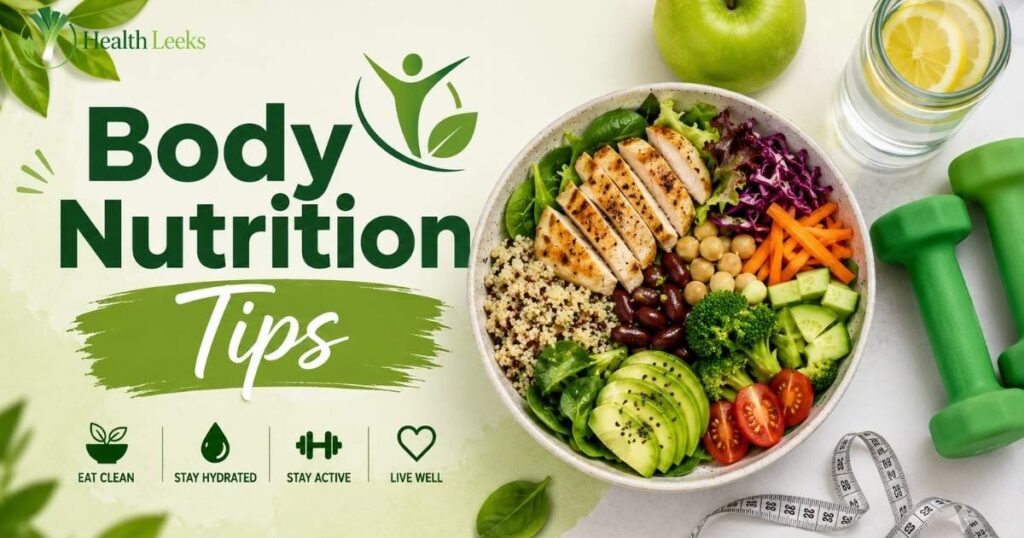
One of the simplest and most effective ways to eat for fitness is to use a structured plate-building method. It removes the complexity of counting every calorie while still ensuring you get the right balance of nutrients.
The Balanced Plate Method
Structure your main meals using this formula:
- Half your plate: Non-starchy vegetables, leafy greens, broccoli, bell peppers, zucchini, cucumbers
- One quarter of your plate: Lean protein, chicken, fish, turkey, eggs, tofu, legumes
- One quarter of your plate: Complex carbohydrates, brown rice, quinoa, sweet potato, whole-grain pasta
- A small addition: Healthy fat, a drizzle of olive oil, half an avocado, or a small handful of nuts
This formula works for muscle building, fat loss, and general health maintenance. Adjust portion sizes up for higher caloric needs and down for a caloric deficit, but keep the ratios consistent.
Rest, Sleep, and Nutrition: The Recovery Triangle
Training is the stimulus. Nutrition is the raw material. Sleep is where the actual transformation happens. These three elements form a recovery triangle, remove any one side and the whole structure collapses.
During sleep, growth hormone is released at its highest levels, protein synthesis accelerates, and glycogen is restored. Poor sleep disrupts these processes and also increases cortisol, a stress hormone that promotes fat storage and muscle breakdown.
To support sleep and overnight recovery through nutrition:
- Eat a casein-rich food before bed such as cottage cheese or Greek yogurt, casein digests slowly, delivering amino acids through the night
- Avoid heavy, high-fat meals within two hours of sleep as they can disrupt rest quality
- Limit caffeine after 2 PM to protect sleep architecture
- Stay hydrated throughout the day to reduce nighttime muscle cramps
Prioritize 7 to 9 hours of quality sleep every night. No supplement or perfect diet can compensate for chronic sleep deprivation.
Common Nutrition Mistakes That Kill Your Progress
Even well-intentioned fitness enthusiasts make nutrition errors that slow or stall their results. Knowing what not to do is just as important as knowing what to do.
- Skipping meals or severely under-eating: Creates a catabolic environment where muscle is broken down for fuel
- Neglecting protein: Without adequate protein, your body cannot repair or build muscle tissue regardless of how hard you train
- Relying too heavily on supplements: Protein powders and pre-workouts support a good diet, they cannot replace one
- Ignoring hydration: Dehydration impairs performance, recovery, and even hunger signals, leading to poor food choices
- Not eating enough carbohydrates: Carb restriction during intense training phases leads to fatigue, poor performance, and hormonal disruption
- Overcomplicating meal plans: Complexity leads to burnout and inconsistency; simple, repeatable meals win long-term
- Eating the same foods daily without variety: Reduces micronutrient diversity and increases risk of deficiencies over time
Final Words
The gap between your current results and your potential is often not about working harder in the gym, it is about eating smarter outside of it. Body nutrition for fitness is not about restriction, perfection, or following extreme diets. It is about fueling your body with the right nutrients at the right times, staying consistent, and building habits that support your goals long term.
Start with the basics: eat enough protein, prioritize whole foods, stay hydrated, and do not skip meals around your workouts. Master those habits before adding layers of complexity. Progress will follow naturally when your nutrition finally matches the effort you put into your training.