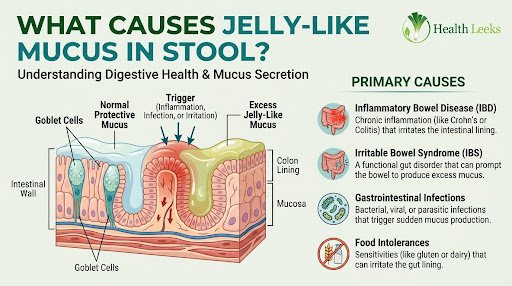
What causes jelly-like mucus in stool is usually normal intestinal mucus made visible by irritation, slow transit, or fast transit. Small clear or white mucus can be normal colon lubrication, especially once or occasionally. Frequent, large, colored, bloody, or persistent mucus needs a closer look at pattern and companions.
Mucus alone rarely diagnoses a condition, because many causes share the same jelly appearance. Color, blood, amount, duration, pain, fever, and bowel habit changes matter far more than mucus alone. Infant red currant jelly stool is different, and it needs emergency care right away.
General information only follows here, and nothing here replaces medical advice from a qualified clinician. Seek emergency care for heavy bleeding, black tarry stool with dizziness, severe pain, or infant currant jelly stool. Book prompt care for blood, fever, persistent diarrhea, weight loss, or mucus lasting beyond two weeks.
Short Answer and Triage First
Is Jelly-Like Mucus in Stool Normal?
A small amount of clear or white mucus is normal because the colon coats itself every day. Goblet cells secrete mucin gel to lubricate stool and protect the intestinal lining. Most mucus blends into stool and passes unnoticed, so occasional visibility alone is rarely alarming.
Visibility rises when the gut makes more mucus, stool moves slowly, or stool moves very fast. Constipation lets mucus pool behind hard stool and pass as a coating or on its own. Diarrhea leaves mucus unmixed, so strands and clumps stand out in loose stool.
Normal mucus tends to be occasional, small, clear or white, and without other symptoms. Bowel habits stay near your usual pattern, with no blood, fever, severe pain, or weight loss. A change from your own baseline matters more than any absolute amount measured at home.
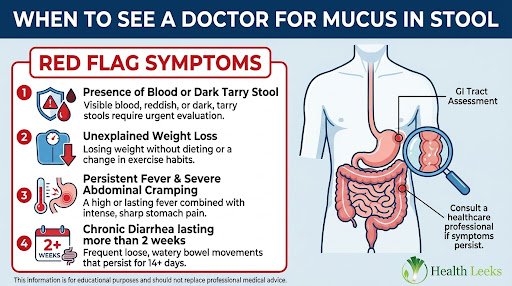
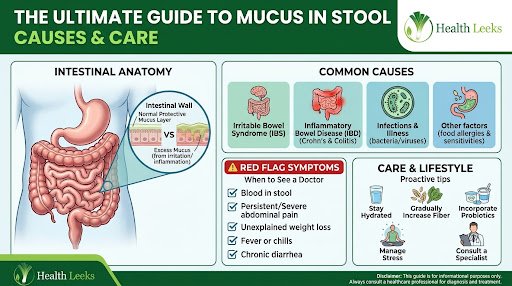
Emergency Signs: Call 911 or Go to ER Now
Heavy rectal bleeding, blood filling the toilet bowl, or passing clots needs emergency evaluation. Black tarry stool with dizziness, fainting, weakness, or a racing heart also needs emergency care. Vomiting blood, severe worsening abdominal pain, confusion, or very low urine output needs emergency care.
Infant currant jelly stool needs emergency care, especially with sudden colicky pain and vomiting. Babies may draw knees to the chest, cry loudly, then seem better between pain episodes. Lethargy, swollen belly, bile vomiting, or shock signs make delay especially dangerous.
Do not wait for a pattern to repeat when emergency signs are present. Emergency clinicians stabilize breathing, circulation, fluids, and bowel blood supply first. Early treatment for intussusception often saves bowel tissue, while delay raises perforation and surgery risk.
Same-Day, Prompt, and Routine Signs
| Urgency | Pattern | Action |
|---|---|---|
| Emergency | Heavy bleeding, black tarry stool with dizziness, severe pain, infant currant jelly stool, shock signs | Call 911 or go to ER now |
| Same-day | Any blood with mucus, fever with bloody diarrhea, severe pain, vomiting repeatedly, dehydration signs | Contact a clinician the same day |
| Prompt, within days | Mucus lasting beyond 2 weeks, frequent mucus, diarrhea beyond a week, weight loss, night symptoms, age over 45 with new change | Book an appointment within days |
| Routine | Occasional small clear or white mucus, normal habits, no blood, pain, fever, or weight loss | Mention at a routine visit if it recurs or increases |
Same-day care matters when blood appears, even as small streaks that repeat. Fever with bloody diarrhea suggests infection that needs stool testing and clinician guidance. Dehydration signs include dizziness on standing, very little urine, dry mouth, and confusion.
Prompt care matters when mucus persists, increases, or comes with cramping and alternating bowel habits. Night symptoms are unusual in IBS and point more toward inflammation or another condition. New constipation or bowel change after age 45 should not be assumed to be hemorrhoids alone.
Routine discussion fits occasional mucus with otherwise normal habits and no warning companions. Track start date, frequency, color, blood, pain, fever, travel, antibiotics, and medicines before the visit. A short written history helps clinicians distinguish irritation from inflammation much faster.
What Is Intestinal Mucus, and Why Is It Jelly-Like?
Goblet Cells, Mucins, and the Two-Layer Colon Barrier
Goblet cells scattered through the intestinal lining secrete mucus continuously into the colon. Mucins are large sugar-coated proteins, with MUC2 as the main colon mucin. Water makes up most of the gel, giving mucus its slippery, jelly-like texture.
Colon mucus forms two layers with different jobs in gut protection. The inner layer sits tight against the wall and keeps most bacteria away from lining cells. The outer layer is looser, houses friendly microbes, and lubricates stool so firm stool slides without scraping.
Friendly microbes help maintain the mucus layer, including Akkermansia muciniphila in research summaries. Low levels of that bacterium are linked in studies to inflammation and bowel conditions, but causation is not settled. Microbiome balance supports barrier health broadly, without proving that one bacterium causes mucus.
Mucus also protects against digestive acids, food toxins, and bacteria in intestinal waste. Without that coat, every bowel movement would scrape the lining more easily. Constant renewal means some mucus always leaves with stool, usually invisibly blended into stool mass.
Why Mucus Becomes Visible: More Mucus, Slow Transit, Fast Transit
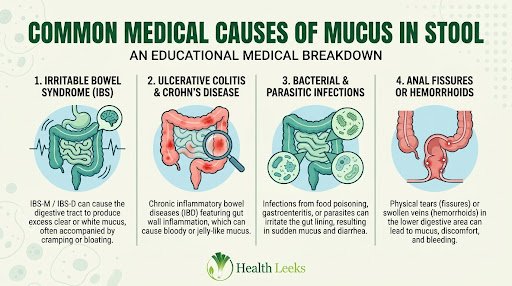
Irritated lining makes more mucus, much as an inflamed nose runs more fluid. Inflammation, infection, allergy, and rectal irritation can all raise mucus secretion quickly. Extra mucus then coats stool, floats in toilet water, or appears on toilet paper after wiping.
Slow transit lets mucus collect behind hard, slow-moving stool in constipation. Pooled mucus may pass as a jelly coating on pellets or as mucus alone. Straining, low fiber, low fluid, and reduced activity can worsen slow transit and pooling.
Fast transit leaves mucus unmixed because loose stool has little time to blend with gel. Diarrhea, gastroenteritis, and IBS diarrhea often show strands or clumps for that reason. Rapid bile movement can also tint mucus yellow or green during fast transit.
Attention also changes visibility, because people notice stool more after a scare or viral video. A first noticed streak may have existed before, hidden inside formed stool. Frequency and companions, not a single sighting, separate normal variation from a pattern needing review.
What Mucus Cannot Tell You on Its Own
Mucus is a clue, not a diagnosis, and gastroenterologists treat it alongside history and tests. Clear mucus can appear in normal lubrication, constipation, IBS, and early irritation alike. Yellow mucus can reflect bile, infection, or fat malabsorption, depending on stool and symptoms.
Blood location helps, but appearance alone cannot confirm hemorrhoids, fissure, colitis, infection, or cancer. Even experienced clinicians need history, examination, stool tests, and sometimes colonoscopy for certainty. Home color charts should guide urgency, never replace evaluation when blood or persistence is present.
Amount is hard to measure at home, and people differ in how closely they inspect stool. Clinicians therefore ask about change from baseline, frequency, volume impression, and associated symptoms. Photos can help a visit, but photos never replace examination or testing.
Color Guide: Clear, White, Yellow, Green, Pink, Red, Black
| Appearance | Common patterns | What it does not prove |
|---|---|---|
| Clear or white strands or film | Normal lubrication, constipation, IBS, early irritation | Whether any disease is present |
| Yellow mucus | Bile in fast-transit stool, infection, fat malabsorption with greasy pale stool | The specific cause, needs context and often a stool test |
| Green mucus | Rapid transit with bile not fully broken down, leafy greens, some infections | Infection by itself |
| Pink, red, or maroon mucus | Blood from hemorrhoids, fissure, colitis, infection, ischemia | How serious the source is, always needs assessment |
| Black, tarry, sticky stool | Digested blood from upper gut, iron supplements, bismuth | Benign cause, needs urgent review if dizzy or weak |
| Thick yellow-green or cream discharge | Pus from significant inflammation or infection | The organism or disease without testing |
Clear and White Mucus
Clear mucus is the usual color of normal intestinal gel before other substances mix in. White mucus often reflects the same gel seen more thickly or against darker stool. Occasional clear or white streaks with normal habits usually fall within ordinary variation.
White mucus is also common in IBS, especially when stool is formed or constipation dominates. Cleveland Clinic lists white-colored mucus as a common IBS symptom in its cause summary. White or yellow mucus also appears in ulcerative colitis, so companions decide urgency.
Clear mucus on toilet paper after wiping can follow constipation, straining, or rectal irritation. A teaspoon-sized amount once, as some clinician Q and A sources note, is often considered normal. Frequent white mucus with cramping, bloating, or alternating habits deserves routine clinician discussion.
Yellow and Green Mucus
Yellow mucus often reflects bile pigment moving quickly through the gut during diarrhea. Fast transit prevents bile from breaking down fully, so stool and mucus look yellow. Infection can also produce yellow mucus, especially with cramps, fever, and loose stools.
Green mucus often reflects rapid transit too, with bile still green before breakdown completes. Leafy greens and green food coloring can also tint stool and mucus temporarily. Green alone does not prove bacterial infection, and viral illness can also speed transit.
Yellow or green mucus with greasy, pale, foul-smelling stool suggests fat malabsorption instead. Cystic fibrosis, celiac disease, pancreatic problems, and bile issues can impair fat absorption. Persistent yellow or green mucus beyond several days, especially with fever, needs stool testing and clinician review.
Pink, Red, and Maroon Mucus
Pink or red streaks mean blood is mixed with mucus, and the lining has been breached somewhere. Bright red blood on the surface or paper usually comes from the anus or lower rectum. Hemorrhoids and anal fissures are common sources, but appearance alone cannot confirm either.
Blood mixed through stool with mucus suggests a source higher in the colon or rectum. Infectious colitis, ulcerative colitis, Crohn disease, and ischemic colitis can produce that jelly-like pink or maroon pattern. Urgency, cramping, fever, and diarrhea help clinicians narrow the source, but testing remains essential.
Maroon blood suggests bleeding above the rectum, often from the left colon in older adults. Ischemic colitis causes sudden cramping followed by bloody, mucus-laden stools in many older patients. Diverticular bleeding can also be heavy and painless, so pain absence never proves safety.
Any blood with mucus warrants clinician assessment, even when the amount looks small. New bleeding after age 45 needs evaluation before attributing it to hemorrhoids. Recurring blood, even without pain, needs examination because polyps and tumors can bleed painlessly.
Black and Tarry Stool, Plus Black Stool Mimics
Black, tarry, sticky stool is called melena and usually signals digested blood from the upper gut. Upper sources include stomach or duodenal ulcers and other upper gastrointestinal bleeding. Melena with dizziness, weakness, fainting, or vomiting blood needs emergency care.
Iron supplements and bismuth subsalicylate can turn stool black without bleeding. Beets and red food dye can mimic blood, sometimes alarming people unnecessarily. Tell a clinician exactly what was eaten and taken, including supplements and medicines, when black stool appears.
Black specks alone differ from sticky black stool, but sticky black stool still needs prompt evaluation. Do not stop iron or other prescribed medicines without clinician guidance based on history. Clinicians use blood counts, history, and examination to distinguish mimics from true bleeding.
Pus Versus Mucus: How They Differ
Mucus is clear, white, or slightly yellow gel with a slippery, jelly-like feel. Pus is thicker, yellow-green or cream, often foul-smelling, and signals significant inflammation or infection. Pus in stool always warrants prompt medical attention, usually for colitis, proctitis, or abscess evaluation.
Yellow mucus alone is not automatically pus, because bile and fast transit can tint normal mucus. Thick, creamy, foul discharge with pain, fever, or rectal swelling points more toward pus. Laboratory stool testing and examination distinguish mucus, pus, blood, and infection far better than appearance.
Do not attempt to diagnose pus at home from color alone, especially with fever or severe pain. Abscesses and severe proctitis need clinician evaluation and sometimes imaging or drainage decisions. Prompt care protects bowel tissue and prevents complications from untreated inflammation.
Common Benign Causes
Normal Lubrication
Normal lubrication is the most reassuring explanation for occasional small mucus. The colon produces mucus every day, and a thin film often coats formed stool. Mayo Clinic guidance cited by competitors states that a modest amount of mucus is usually nothing to worry about.
Normal mucus may appear after loose stools, because rapid passage leaves gel visible. It may appear as a faint sheen on toilet paper or a few strands after diarrhea. Seen once or occasionally, without other symptoms, these patterns fall inside ordinary variation.
Normal does not mean ignored forever, because frequency and change still matter. If mucus becomes frequent, larger, or accompanied by pain or blood, reassessment is needed. Baseline tracking helps clinicians see whether a pattern is stable or evolving.
Constipation and Mucus Pooling
Constipation is one of the more common causes of visible mucus in Cleveland Clinic summaries. Slow stool lets mucus collect behind hard pellets and pass as a jelly coating. Incomplete emptying can leave mucus in the rectum, which then passes alone later.
Straining, low fiber, low fluid, prolonged sitting, and ignoring urges can worsen constipation. Hard pellets with clear mucus, bloating, and a feeling of incomplete emptying form a typical constipation pattern. Mucus pooling does not prove inflammation, but persistent constipation still deserves review.
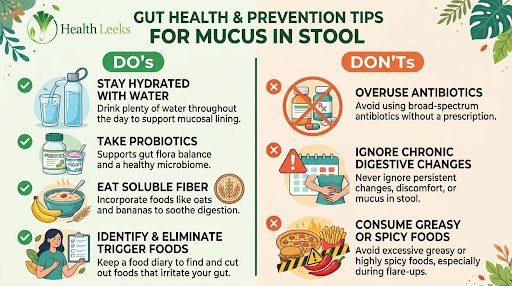
General bowel support includes adequate fluid, soluble fiber foods such as oats and flaxseed, and regular activity. Fiber increases should be gradual, because sudden large increases can worsen bloating and gas. Clinician guidance matters for laxatives, especially with pain, bleeding, or chronic constipation.
Constipation with blood, weight loss, severe pain, or new onset after age 45 needs prompt evaluation. Do not assume every constipation pattern is benign, because rectal and colon conditions can coexist. History, examination, and screening status guide whether testing or colonoscopy is needed.
IBS and Gut-Brain Interaction
Irritable bowel syndrome is a disorder of gut-brain interaction, not structural bowel damage. The intestine looks structurally normal on tests, yet movement and sensation are altered. The NIH digestive institute estimates about 12 percent of US adults have IBS, roughly twice as often in women.
Rome IV criteria define IBS by recurrent abdominal pain at least one day per week over three months. Pain must link to bowel movements or to changes in stool frequency or form. Mucus is a supportive feature under Rome IV, not a required feature, so mucus without pain fits IBS less well.
Nerve signaling between gut and brain appears to increase mucus secretion during IBS flares. Altered motility, sometimes sluggish and sometimes rapid, changes how mucus mixes with stool. Stress can worsen IBS symptoms, and flares often follow stress or certain foods.
IBS does not damage the bowel wall and does not raise colorectal cancer risk, per Acibadem summaries. IBS does not cause bleeding, so blood with mucus means another explanation must be sought. IBS diagnosis follows clinician consideration of other causes, with testing where indicated, not mucus alone.
IBS subtypes shape mucus patterns, with constipation-predominant IBS showing coating and pooling. Diarrhea-predominant IBS shows strands in loose stool more often in research summaries. Mixed IBS alternates between constipation and diarrhea, so mucus patterns can change week to week.
Stress, Diet Shifts, and Low Fiber
Stress affects gut motility and visceral sensitivity through gut-brain pathways in IBS and other people. Many people notice more mucus during stressful weeks, even without a new disease. Treating stress may reduce mucus over time, but stress reduction alone does not diagnose IBS.
Diet shifts, low fiber, dehydration, and irregular meals can change stool form and mucus visibility. Low fiber intake can harden stool and increase pooling, while sudden fiber increases can cause gas. Dehydration can harden stool and worsen constipation, making mucus more noticeable after straining.
Food sensitivities can increase mucus within about 24 hours of an offending food in expert notes. Lactose and gluten are common examples, but sensitivity patterns vary widely among people. Removing food groups without assessment can delay diagnosis and risk nutritional gaps, per Acibadem warnings.
Dietary trials belong with a clinician or dietitian, especially for gluten, dairy, or broad elimination diets. A food and symptom diary helps clinicians separate triggers from coincidence and stress effects. No diet should be presented as a mucus cure, because underlying cause still needs identification.
Infection Causes
Viral Gastroenteritis
Viral gastroenteritis, often called stomach flu, usually produces watery stool with little mucus. Norovirus and rotavirus are common viral causes, with vomiting, cramps, and diarrhea. Most viral illness settles within a few days with fluids and rest, under clinician guidance when needed.
Mucus may appear when transit speeds up or rectal irritation follows frequent loose stools. Fever is usually low grade in viral illness, unlike high fever in some bacterial dysentery. Dehydration risk rises in infants, older adults, and people with weakened immune systems.
Seek care for diarrhea with high fever, blood, dehydration signs, or symptoms lasting more than a few days. Infants, older adults, and immunocompromised people need earlier clinician contact than healthy adults. Hand hygiene and fluid replacement protect contacts and reduce spread during viral illness.
Bacterial Dysentery: Salmonella, Shigella, Campylobacter, STEC
Bacterial infections inflame the colon lining and pour extra mucus into stool. Salmonella, Shigella, Campylobacter, and Shiga toxin-producing E. coli can cause bloody mucus diarrhea. Contaminated food or water is a common source, with onset often sudden and cramping prominent.
Shigella is known for dysentery, meaning mucus and blood with urgency and painful straining. Campylobacter often follows undercooked poultry and can cause fever, cramps, and bloody diarrhea. STEC can cause severe bloody diarrhea, and clinician guidance is essential before any antidiarrheal use.
Bloody diarrhea with fever needs same-day care, not home observation alone. Do not take loperamide for bloody diarrhea with fever unless a clinician advises it, per competitor warnings. Stool culture identifies the organism and guides antibiotics, fluids, and public health advice.
Most bacterial diarrhea improves within days, but some cases worsen or spread. Dehydration, high fever, severe pain, and blood persistence signal a need for urgent review. Antibiotics help some bacterial infections, but they are not appropriate for every organism or case.
C. Difficile After Antibiotics
Clostridioides difficile, often called C. diff, can follow a course of antibiotics. Antibiotics disrupt normal gut bacteria, allowing C. diff to grow and inflame the colon. Frequent watery stools, sometimes with mucus, cramps, and fever form a typical pattern.
C. diff is more common in older adults and after hospital stays, per Acibadem summaries. Recent antibiotic use, hospitalization, and healthcare exposure raise suspicion when diarrhea begins afterward. Testing distinguishes C. diff from other diarrhea causes, because treatment differs.
Do not stop prescribed antibiotics alone without clinician guidance, even when diarrhea begins. Clinicians balance infection treatment, C. diff risk, and alternative antibiotics case by case. Severe C. diff can cause dehydration, colon inflammation, and complications needing hospital care.
Hand hygiene with soap and water matters for C. diff, because alcohol sanitizer is less effective. Household contacts should follow clinician infection guidance during active illness. Recurrent C. diff needs specialist evaluation, not repeated home remedies.
Parasites: Giardia and Entamoeba Histolytica
Giardia causes greasy, foul-smelling diarrhea, bloating, and cramps, often after travel or untreated water. Giardia can produce mucus with loose stools, but it is far less common than viral illness. Stool parasite testing identifies Giardia when travel, water exposure, or persistent diarrhea suggests it.
Entamoeba histolytica causes amoebic dysentery with mucus and blood, mostly linked to regions with limited sanitation. Amoebic dysentery needs antiparasitic treatment guided by testing and clinician assessment. Travel history is essential, because organism risk differs sharply by destination and water source.
Parasites do not explain most jelly mucus in US adults without travel or water exposure. Viral cleanse claims exaggerate parasite prevalence and sell testing or products without evidence. Stool testing, not appearance alone, determines whether parasites are present.
Persistent diarrhea beyond two weeks, weight loss, or greasy stools after travel needs prompt evaluation. Clinicians order ova and parasite testing, stool culture, and sometimes blood tests based on history. Antiparasitic medicines target specific organisms, so empiric self-treatment can miss the real cause.
Inflammatory Causes
Ulcerative Colitis and Ulcerative Proctitis
Ulcerative colitis affects the colon and rectum in a continuous stretch starting at the rectum. Its hallmark is diarrhea mixed with blood and mucus, often with urgency and incomplete emptying. Rectal involvement is almost always present, so mucus and blood may pass with little stool.
Ulcerative proctitis is rectal-only ulcerative colitis, with rectal bleeding, pain, urgency, and mucus. People may pass mucus and blood repeatedly even when stool volume is small. Night symptoms, fatigue, anemia, and weight loss can accompany more extensive colitis.
Ulcerative colitis typically begins between late teens and thirties, with a smaller later peak. Family history raises risk more than chance, but most relatives do not develop colitis. Fecal calprotectin, blood tests, colonoscopy, and biopsy confirm diagnosis and extent.
Long-term specialist treatment uses anti-inflammatory and immune-modulating medicines chosen by disease severity. Mucus and bleeding generally ease as inflammation comes under control, but treatment is individualized. Do not adjust prescribed IBD medicines alone when mucus changes, because flares need clinician review.
Ulcerative colitis differs from IBS in damage, because colitis causes visible inflammation and ulcers. IBS shows no visible bowel damage on scope, while colitis shows continuous rectal and colon inflammation. That distinction drives testing, because mucus alone cannot separate the two.
Crohn Disease
Crohn disease can involve any part of the digestive tract, from mouth to anus, in patches. Mucus appears less consistently than in ulcerative colitis, mainly when colon or rectum is affected. Patchy inflammation, skip areas, and deeper wall involvement distinguish Crohn from continuous colitis.
Other Crohn features include abdominal pain, diarrhea or constipation, weight loss, anemia, and fever. Mouth ulcers, perianal problems, and slowed growth in children can also occur. Perianal pain, fistula, or abscess needs prompt specialist review, not home management alone.
Crohn disease also begins often in late teens to thirties, with family clustering more than chance. Smoking, genetics, microbiome, and immune factors contribute in complex ways, without one simple cause. Diagnosis uses history, labs, imaging, endoscopy, and biopsy together.
Treatment depends on location, severity, complications, and patient goals under specialist care. Anti-inflammatory medicines, biologics, nutrition support, and sometimes surgery address complications. Mucus improvement follows inflammation control, but symptom tracking still matters during remission.
Proctitis and Rectal Inflammation
Proctitis means inflammation of the rectum, the final section of the large intestine. Ulcerative colitis, infection, radiation, and other causes can produce proctitis. Mucus-only passage, urgency, and a feeling of incomplete emptying are typical proctitis patterns.
Rectal inflammation makes the rectum hypersensitive, so small amounts of mucus trigger urgency. Pain during bowel movements, rectal soreness, and tenesmus can accompany proctitis. Tenesmus means a constant urge to pass stool even when the rectum is empty.
Infectious proctitis needs organism testing, because treatment differs by bacterial, viral, or parasitic cause. Inflammatory proctitis needs colonoscopy and biopsy to distinguish ulcerative proctitis from other colitis. Do not assume proctitis is hemorrhoids, because rectal inflammation needs specific evaluation.
Frequent mucus-only passage deserves clinician discussion, especially with urgency or incomplete emptying. Rectal examination and sigmoidoscopy may clarify the source when history suggests proctitis. Early treatment reduces pain, urgency, and risk of more extensive inflammation.
Diverticulitis and Ischemic Colitis
Diverticulitis occurs when small colon pouches, called diverticula, become inflamed or infected. New lower abdominal pain, bowel changes, fever, and increased mucus can signal diverticulitis. Severe or chronic diverticulitis can cause bleeding, abscess, fistula, perforation, or obstruction without treatment.
Diverticulosis means pouches exist without inflammation, and many people have no symptoms. Diverticular bleeding can be heavy and painless, unlike diverticulitis pain patterns. Age, low fiber, constipation, and other factors contribute to pouch formation over time.
Ischemic colitis means reduced blood flow temporarily injures part of the colon, mainly in older adults. Sudden cramping followed by bloody, mucus-laden stools is a classic ischemic pattern. Heart disease, low blood pressure, and vascular disease raise ischemic risk in older patients.
Both conditions need prompt clinician evaluation, because pain, bleeding, and complications overlap with other causes. Imaging, labs, and colonoscopy timing depend on severity and stability under clinician guidance. Do not self-treat severe abdominal pain with fiber or laxatives before evaluation.
Anal and Rectal Causes
Hemorrhoids
Hemorrhoids are swollen veins in the anal canal that bleed easily and secrete mucus. Internal hemorrhoids sit above the dentate line, where pain sensation is limited. Painless bright red bleeding is classic for internal hemorrhoids, often on paper or stool surface.
External hemorrhoids sit below the dentate line under sensitive perianal skin. Swelling, itching, and acute pain occur, especially with a thrombosed external hemorrhoid clot. Mucus discharge from hemorrhoids can cause itching and skin irritation around the anus.
Chronic straining, prolonged sitting, pregnancy, and constipation can worsen hemorrhoidal disease. Hemorrhoids are common and usually benign, but they cannot be confirmed by appearance alone. Recurring bleeding still needs examination, because polyps and tumors can look similar.
General support includes fiber, fluids, activity, and avoiding prolonged straining and sitting. Topical care and clinician procedures depend on grade, symptoms, and examination findings. Heavy bleeding, prolapse, severe pain, or anemia needs prompt clinician review.
Anal Fissure
An anal fissure is a small tear in the lining of the anal canal. Hard stool, straining, diarrhea, and childbirth can cause fissures in adults. Sharp, burning pain during bowel movements with a bright streak afterward is typical.
Fissures cause mucus afterward as the tear irritates surrounding tissue and sphincter spasm develops. Soreness after bowel movements can last minutes to hours, unlike brief hemorrhoid bleeding. Blood usually appears on paper or stool surface, not mixed through stool.
Chronic fissures may need clinician treatment, including topical medicines or, rarely, sphincter procedures. Fiber, fluids, and warm sitz baths are general supports, not substitutes for evaluation when pain persists. Do not ignore fissure pain with bleeding, because other rectal conditions can coexist.
Children can also develop fissures from constipation, with pain and small blood streaks. Pediatric evaluation matters when pain, bleeding, or constipation persists in children. Fissure care focuses on soft stool and healing, under clinician guidance.
Rectal Polyps
Rectal polyps are growths on the rectal lining that can bleed and produce mucus. Most polyps are benign, but some can develop into colorectal cancer over time. Polyps may cause no symptoms, or they may cause surface blood and mucus discharge.
Painless bleeding from a polyp can mimic hemorrhoids, which makes examination essential. Colonoscopy identifies and removes polyps, reducing future cancer risk when indicated. Screening from age 45 for average-risk adults finds polyps before symptoms appear.
Family history of polyps or colorectal cancer may mean earlier or more frequent screening. Clinicians tailor screening intervals to polyp type, number, size, and family history. Do not attribute new rectal bleeding to polyps without examination, because other causes remain possible.
Less Common but Important Causes
Colorectal Cancer and Polyps
Colorectal cancer may cause mucus that is bloody or dark black, per Cleveland Clinic summaries. Persistent bleeding, lasting bowel habit change, unexplained anemia, and weight loss are stronger signals. Pencil-thin stool, constipation, and bright red blood can also appear, but none proves cancer alone.
Mucus alone is a weak and nonspecific sign, and most people with mucus do not have cancer. Early cancers often cause no symptoms, which is why age-based screening matters regardless of mucus. CDC advises average-risk screening from age 45, following the 2021 US Preventive Services Task Force recommendation.
Colorectal cancer incidence is rising in adults under 50, so youth alone does not rule it out. New bowel changes in younger adults still need evaluation, especially with blood or family history. Do not delay care because a symptom seems minor, because early detection improves outcomes.
Diagnosis uses colonoscopy with biopsy, imaging, and labs as indicated by clinicians. Treatment depends on site and stage, including surgery, chemotherapy, or radiation in specialist care. Screening and prompt evaluation remain the actionable steps, not mucus color guessing at home.
Cystic Fibrosis and Malabsorption
Cystic fibrosis affects mucus-producing glands throughout the body, including the gut and pancreas. Thick secretions can block pancreatic ducts and interfere with digestion and nutrient absorption. Loose, greasy, foul-smelling stools with mucus form a typical malabsorption pattern.
Cough, weight loss, and poor growth may accompany cystic fibrosis in children and adults. Pancreatic enzyme and nutrition care are specialist-managed and individualized. Mucus in cystic fibrosis reflects thick secretions, not the same mechanism as IBS mucus.
Malabsorption from celiac disease, pancreatic disease, or bile problems can also produce greasy pale stools. Steatorrhea means excess fat in stool, often with floating, oily, foul stool. Persistent greasy stools with weight loss need prompt evaluation for malabsorption causes.
Stool fat testing, celiac antibodies, and pancreatic evaluation may follow when malabsorption is suspected. Do not start enzyme supplements or restrictive diets without clinician diagnosis and guidance. Nutrition support matters, but cause identification comes first for malabsorption patterns.
Celiac Disease, Lactose Intolerance, and Food Sensitivity
Celiac disease is an immune reaction to gluten that damages the small intestine lining. Diarrhea, bloating, weight loss, and mucus can occur, along with nutrient deficiencies. Celiac antibodies and intestinal biopsy confirm diagnosis, not symptom patterns alone.
Lactose intolerance means poor digestion of milk sugar, causing gas, bloating, diarrhea, and sometimes mucus. Symptoms often follow milk or dairy within hours, but timing varies among people. Lactose-free trials can help clinicians assess patterns, but they do not replace testing when indicated.
Food allergy differs from food intolerance in immune mechanism and severity. Food allergy can cause rapid symptoms, including hives, swelling, vomiting, or breathing difficulty in severe cases. Severe allergy symptoms need emergency care, not dietary trial alone.
Food sensitivity is a broader, less precise term for reproducible symptoms after specific foods. Gluten sensitivity without celiac disease remains debated, and diagnosis requires exclusion of celiac disease. Clinician-guided food trials with a diary reduce delay and nutritional risk compared with broad elimination.
Bowel Obstruction
Bowel obstruction means a blockage in the small or large intestine that prevents normal passage. Severe abdominal pain, swelling, vomiting, constipation, and inability to pass gas can signal obstruction. Mucus may appear with altered bowel habits, but obstruction signs dominate the picture.
Causes include adhesions, tumors, strictures, hernias, and severe inflammation in some cases. Obstruction can progress to bowel ischemia, perforation, and emergency surgery without treatment. Severe pain with vomiting and swelling needs emergency evaluation, not fiber or laxatives at home.
Imaging and hospital evaluation determine blockage location, severity, and treatment. Fluids, bowel rest, and sometimes surgery are hospital-managed decisions. Do not attempt to clear suspected obstruction with home remedies or strong laxatives.
Mucus Without Stool: A Separate Pattern
Passing mucus without stool is a recognized symptom, not a quirk or hygiene issue. IBS with constipation commonly produces mucus-only passage through pooling and altered nerve signaling. Proctitis also produces mucus-only passage through rectal inflammation and urgency.
Rectal polyps and hemorrhoids can contribute to mucus discharge without stool in some people. Incomplete emptying leaves mucus in the rectum, which then passes alone between bowel movements. Frequency matters: occasional mucus-only passage differs from frequent daily passage with urgency.
Frequent mucus-only passage deserves clinician discussion, especially with blood, pain, fever, or weight loss. Clinicians ask about urgency, tenesmus, rectal pain, and stool pattern to narrow causes. Rectal examination and sigmoidoscopy may be used when history points to rectal disease.
Do not dismiss mucus-only passage as stress alone when it recurs or increases. Stress can worsen IBS patterns, but rectal inflammation and polyps need exclusion. A short symptom diary with dates, urgency, and companions helps clinicians triage this pattern.
Children and Infants: Red Currant Jelly Stool Emergency
Intussusception is the most common abdominal emergency in children under two years old. One bowel segment telescopes into the next, blocking flow and cutting blood supply. It usually occurs between about three months and three years, with most cases under two years.
Classic signs include sudden intense belly pain, knees drawn to the chest, and loud crying. Pain comes and goes, with pain-free intervals where the child may seem better. Swollen belly, vomiting, bile vomiting, grunting, and lethargy can follow as illness progresses.
Red currant jelly stool means blood and mucus mixed, resembling currant jelly in appearance. That stool pattern appears as bowel swelling and bleeding progress, not always at onset. Do not wait for currant jelly stool before seeking care when colicky pain and vomiting occur.
Call 911 or go to the emergency room right away for suspected intussusception. Hospital care stabilizes fluids, places intravenous lines, and uses imaging for diagnosis. Air or contrast enema can reduce telescoping in some cases, while surgery is needed when enema fails.
Early treatment usually saves bowel tissue, while delay raises ischemia, perforation, and surgery risk. Intussusception can recur after treatment, so follow-up instructions matter. Parents should seek emergency care for sudden severe abdominal pain in infants, even without stool changes yet.
Women: Period, Pregnancy, and Postpartum Patterns
Menstruation and Prostaglandins
Prostaglandins released from the uterine lining at menstruation onset stimulate bowel contractions. Bowel transit speeds up during days one to three of many periods, causing diarrhea or mucus. This pattern is common and usually resolves as menstruation progresses.
Cycle-related mucus without blood, fever, or severe pain often follows a predictable monthly pattern. Tracking period dates alongside stool changes helps clinicians distinguish cycle effects from bowel disease. Painful periods, heavy bleeding, and bowel symptoms worsening each cycle need gynecology review.
Bowel-involved endometriosis can mimic cycle-related bowel changes, especially when symptoms persist beyond the period. Endometriosis tissue outside the uterus can affect bowel function and cause pain, diarrhea, or constipation. Persistent or worsening cycle-linked bowel symptoms deserve evaluation beyond reassurance alone.
Pregnancy: Progesterone, Iron, and Uterine Pressure
Small mucus amounts are common in pregnancy, especially in the first and third trimesters. Progesterone slows digestion, prenatal iron supplements affect stool, and uterine pressure alters transit. Constipation in pregnancy can increase mucus pooling and mucus-only passage.
Mucus with bleeding, severe pain, fever, or contractions in pregnancy is never routine. Contact an obstetric clinician the same day for those companions, regardless of mucus amount. Vaginal bleeding and bowel bleeding can be confused, so clinician assessment matters promptly.
Pregnancy care includes hydration, fiber, activity, and clinician-guided constipation support. Do not start new supplements, laxatives, or medicines in pregnancy without obstetric guidance. Routine prenatal visits are a good time to mention new bowel changes early.
Postpartum Hemorrhoids and Recovery
Postpartum hemorrhoids are very common after pregnancy and vaginal delivery. Straining, pelvic pressure, and constipation during recovery can worsen hemorrhoid swelling. Bright red surface blood with clear mucus and anal itching often fit postpartum hemorrhoids.
Postpartum bowel changes should still be evaluated when blood is heavy, pain is severe, or fever appears. Postpartum infection, fissure, and rectal conditions can coexist with hemorrhoids. Clinicians distinguish postpartum patterns through history and examination, not appearance alone.
Recovery support includes fluids, fiber, activity as advised, and gentle perineal care. Breastfeeding medicine choices need clinician guidance, because some medicines pass into milk. Persistent postpartum bleeding or pain needs prompt review, even when hemorrhoids seem likely.
Myths: Mucoid Plaque, Parasites, and Cleanses
Mucoid plaque claims describe rope-like mucus expelled after herbal cleanses or extended fasting. Acibadem states that idea has no basis in anatomy or pathology. Normal colon mucus is not plaque peeling away, and cleanse products do not remove a hidden lining.
Short videos claiming stringy mucus proves parasites have driven searches and clinic anxiety recently. Mucus alone does not prove parasites, and parasite prevalence is far lower than viral claims suggest. Stool testing, travel history, and water exposure determine parasite evaluation, not video claims.
Parasite cleanse products can cause diarrhea, dehydration, electrolyte problems, and delayed diagnosis. Detox products do not diagnose or treat IBS, IBD, infection, or cancer. Money spent on cleanses delays stool testing and clinician evaluation when red flags exist.
Rope worm claims lack credible scientific support and confuse normal mucus, stool, and intestinal lining. Clinicians identify parasites through laboratory testing, not through cleanse output appearance. Skepticism protects families from costly, unproven interventions and from missing serious disease.
How Clinicians Evaluate Mucus in Stool
Stool History Checklist
Clinicians start with duration, frequency, color, amount, blood, and stool form. Pain location, fever, vomiting, diarrhea, constipation, and night symptoms shape urgency. Travel, food, water exposure, antibiotics, medicines, and family history complete the picture.
Use this checklist before a visit:
- Start date and frequency: when mucus began, how often it appears, whether it is increasing
- Color and amount: clear, white, yellow, green, pink, red, black, pus-like, coating or large volume
- Blood pattern: on paper only, surface streaks, mixed through stool, clots, black tarry stool
- Companions: pain, cramps, bloating, urgency, incomplete emptying, fever, vomiting, weight loss, night symptoms
- Bowel pattern: constipation, diarrhea, alternating habits, stool form, greasy or pale stool
- Exposures: travel, untreated water, sick contacts, antibiotics, new medicines, supplements
- History: IBS, IBD, celiac disease, polyps, colorectal cancer in family, screening status, age
Bring medicine and supplement lists, including iron, bismuth, fiber, and probiotics. Note period dates in women and pregnancy status when relevant. Photos can help, but history and examination remain the core of evaluation.
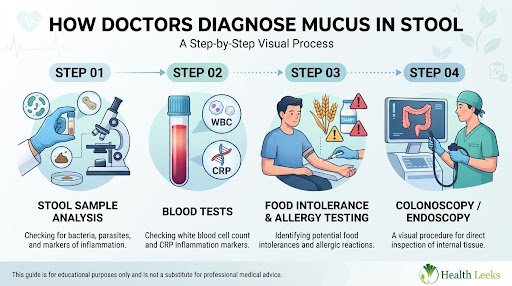
Stool Tests: Culture, Parasites, Calprotectin, Blood in Stool
| Test | What it checks | Why it helps |
|---|---|---|
| Stool culture | Bacterial organisms such as Salmonella, Shigella, Campylobacter | Identifies infectious colitis and guides treatment |
| Stool ova and parasites | Giardia, Entamoeba, other parasites | Tests travel and persistent diarrhea patterns |
| Fecal calprotectin | Gut white blood cell protein | Low makes IBD unlikely, high prompts colonoscopy |
| Fecal occult blood or FIT | Hidden blood in stool | Detects bleeding not visible to the eye |
| Blood count and inflammatory markers | Anemia, inflammation | Shows bleeding impact and systemic inflammation |
| Celiac antibodies | Immune reaction to gluten | Screens for celiac disease when indicated |
Fecal calprotectin is a widely used screen for distinguishing IBS from IBD in many guidelines. Low calprotectin makes IBD unlikely, while high calprotectin prompts colonoscopy evaluation. Calprotectin does not diagnose a specific disease or replace colonoscopy when indicated.
Stool culture and parasite testing depend on history, including travel, food, antibiotics, and diarrhea pattern. Blood counts reveal anemia from chronic bleeding, even when blood is not visible. Celiac antibodies help when diarrhea, weight loss, and malabsorption patterns suggest gluten disease.
Test results need clinician interpretation, because false positives and false negatives occur. A normal stool test does not rule out hemorrhoids, fissure, polyps, or early IBD. Persistent symptoms after normal tests still need follow-up and sometimes colonoscopy.
Blood Tests, Imaging, and Colonoscopy
Blood tests may show anemia or raised inflammatory markers in IBD, cancer, and chronic bleeding. Kidney and liver tests can reveal effects from cystic fibrosis, cancer, and other systemic conditions. Abnormal results guide urgency, but normal labs never prove mucus is benign alone.
Imaging may include abdominal ultrasound or CT when pain, obstruction, diverticulitis, or ischemia is suspected. Imaging cannot replace colonoscopy for mucosal diagnosis in most IBD and polyp cases. Clinicians choose imaging based on pain pattern, stability, age, and examination findings.
Colonoscopy with biopsy confirms IBD diagnosis and identifies polyps, tumors, and mucosal inflammation. Sigmoidoscopy examines the rectum and lower colon when rectal disease is the main concern. Colonoscopy also serves as screening from age 45 for average-risk adults, regardless of symptoms.
Preparation, sedation, and risks should be discussed before colonoscopy by the performing clinician. Biopsy results distinguish ulcerative colitis from Crohn disease and exclude other colitis causes. Follow-up intervals depend on findings, family history, and disease extent.
What Helps While You Wait for Care
General bowel support while waiting includes fluids, gradual soluble fiber, and regular activity when safe. Oats, flaxseed, fruits, vegetables, and adequate water support softer, more regular stool in constipation patterns. Sudden large fiber increases can worsen bloating, so gradual change works better.
Track symptoms daily with dates, color, blood, pain, fever, and stool form. Avoid unguided food group removal, because it can delay diagnosis and cause nutritional gaps. Avoid new supplements, cleanses, and antidiarrheal medicines for bloody diarrhea without clinician advice.
Do not stop prescribed bowel medicines alone when mucus changes, because flares need clinician review. Contact the prescribing clinician promptly about new mucus, blood, or pain during treatment. Seek care sooner if any red flag appears, even when an appointment is already booked.
Rest, fluids, and electrolyte solutions help during diarrhea, under clinician guidance for vulnerable people. Infants, older adults, and immunocompromised people need earlier care for dehydration risk. General support never replaces evaluation when blood, fever, severe pain, or persistence is present.
FAQs
What causes jelly-like mucus in stool?
What causes jelly-like mucus in stool includes normal lubrication, constipation, IBS, infection, and IBD. Pattern and companions matter more than mucus alone, including color, blood, amount, duration, pain, and fever. Clinicians use history and tests, not appearance alone, to identify the cause.
Is jelly-like mucus in stool normal?
Small clear or white mucus can be normal, especially once or occasionally with normal habits. Frequent, large, colored, bloody, or persistent mucus needs clinician review. A change from your own baseline matters more than a single sighting.
Why is my stool jelly-like?
Extra mucus, slow transit pooling, or fast transit unmixing can make normal gel visible as jelly. Irritation raises mucus secretion, constipation pools it, and diarrhea leaves it unmixed. Texture alone cannot identify IBS, infection, IBD, or cancer.
What does clear jelly mucus in stool mean?
Clear jelly mucus usually reflects normal lubrication, constipation, or IBS when no warning companions exist. Clear mucus with blood, pain, fever, or lasting change needs prompt evaluation. Clear does not automatically mean safe when frequency or amount increases.
What does white jelly mucus in stool mean?
White jelly mucus often appears in IBS and constipation, as a thicker form of normal gel. White or yellow mucus also appears in ulcerative colitis, so blood, urgency, and diarrhea change urgency. Persistent white mucus with cramping or alternating habits deserves routine clinician discussion.
What does yellow mucus in stool mean?
Yellow mucus often reflects bile pigment in fast-transit stool, especially during diarrhea. Infection and fat malabsorption can also produce yellow mucus, particularly with greasy pale stool. Persistent yellow mucus with fever or weight loss needs stool testing and clinician review.
What does green mucus in stool mean?
Green mucus often reflects rapid transit with bile not fully broken down. Leafy greens and some infections can also tint mucus green. Green alone does not prove bacterial infection, and viral illness can also speed transit.
What does pink or red mucus in stool mean?
Pink or red mucus means blood is mixed with mucus, and the lining has been breached somewhere. Bright red surface blood often comes from hemorrhoids or fissure, while mixed blood suggests colon or rectal inflammation. Any blood with mucus needs clinician assessment, regardless of amount.
What does black jelly-like stool mean?
Black tarry sticky stool suggests digested blood from the upper gut and needs urgent review. Iron supplements and bismuth can mimic black stool without bleeding. Black tarry stool with dizziness, weakness, or vomiting blood needs emergency care.
How do I tell mucus from pus in stool?
Mucus is clear, white, or slightly yellow gel with a slippery feel. Pus is thicker, yellow-green or cream, often foul-smelling, and signals significant inflammation or infection. Pus in stool always warrants prompt medical attention for colitis, proctitis, or abscess evaluation.
Does IBS cause mucus in stool?
Yes, mucus is a supportive Rome IV feature in IBS, especially with altered motility and gut-brain signaling. IBS mucus is usually clear or white without blood or visible bowel damage. IBS alone does not explain blood, so blood with mucus needs further evaluation.
Does IBS cause bleeding?
No, IBS does not cause bleeding, and blood plus mucus means IBS is not the full answer. Hemorrhoids, fissure, infection, IBD, polyps, or cancer must be considered when blood appears. Clinicians evaluate bleeding separately, even when IBS is already diagnosed.
What is the difference between IBS and IBD mucus?
IBS mucus is usually clear or white without blood or visible bowel damage on scope. IBD mucus often comes with blood, diarrhea, urgency, weight loss, and inflammation on tests. Fecal calprotectin, blood tests, and colonoscopy with biopsy distinguish the two.
Does ulcerative colitis cause jelly mucus?
Yes, bloody mucus diarrhea with urgency and incomplete emptying is a hallmark ulcerative colitis pattern. Rectal involvement is almost always present, so mucus and blood may pass with little stool. Night symptoms, fatigue, and anemia can accompany more extensive colitis.
Does Crohn disease cause mucus in stool?
Yes, Crohn disease causes mucus when colon or rectum is involved, often with pain and bowel changes. Patchy inflammation, weight loss, anemia, fever, mouth ulcers, and perianal problems can also occur. Diagnosis uses history, labs, imaging, endoscopy, and biopsy together.
Can constipation cause jelly mucus?
Yes, constipation pools mucus behind hard stool and passes it as a coating or alone. Straining, low fiber, low fluid, and ignoring urges can worsen pooling. Persistent constipation with blood, pain, weight loss, or new onset after age 45 needs prompt evaluation.
Why do I pass mucus without stool?
Mucus-only passage is common in IBS with constipation, constipation pooling, and proctitis. Rectal inflammation makes the rectum hypersensitive, so small mucus amounts trigger urgency. Frequent mucus-only passage deserves clinician discussion, especially with blood or pain.
Can an infection cause jelly mucus?
Yes, bacterial, viral, and parasitic infections inflame the lining and increase mucus production. Diarrhea, cramps, and fever often accompany infectious mucus, with sudden onset and a plausible exposure. Stool culture and parasite testing identify organisms when history suggests infection.
Does mucus in stool mean colon cancer?
Mucus alone is a weak and nonspecific sign, and most people with mucus do not have cancer. Persistent bleeding, lasting bowel change, anemia, and weight loss are stronger cancer signals. Screening from age 45 for average-risk adults finds polyps and early cancers before symptoms.
When should I worry about mucus in stool?
Worry more with blood, pus, fever, severe pain, vomiting, dehydration, weight loss, or night symptoms. Persistence beyond two weeks, frequent mucus, or new change after age 45 also raises concern. Emergency signs need immediate care, not routine observation.
How long does mucus in stool usually last?
Benign patterns often clear within three to seven days once triggers resolve, per competitor page guidance. Infection patterns often resolve within five to ten days, but some need testing and treatment. Mucus beyond fourteen days or frequent return needs a stool test and clinician visit.
What tests are done for mucus in stool?
History and examination come first, followed by blood counts, inflammatory markers, and celiac antibodies when indicated. Stool culture, parasite testing, fecal calprotectin, and hidden blood testing narrow causes. Colonoscopy with biopsy confirms IBD, polyps, and mucosal inflammation when indicated.
Do hemorrhoids cause mucus in stool?
Yes, hemorrhoids bleed easily and secrete mucus that can cause itching around the anus. Internal hemorrhoids often cause painless bright red bleeding on paper or stool surface. Recurring bleeding still needs examination, because polyps and tumors can look similar.
Conclusion
What causes jelly-like mucus in stool spans normal lubrication, constipation, IBS, infection, inflammation, and anal conditions, with very different urgency levels. Small clear or white mucus with normal habits is often reassuring, while bloody, persistent, painful, or fever-associated mucus needs prompt care. Color, blood location, amount, duration, and companions guide triage far better than jelly appearance alone.
IBS and constipation explain many benign patterns, but neither explains bleeding, and neither should delay evaluation when red flags appear. Infection and IBD require testing and clinician treatment, while polyps and cancer require screening and colonoscopy when indicated. Infant currant jelly stool remains an emergency, and black tarry stool with weakness remains urgent, regardless of how small the mucus looks.
Track pattern, note companions, avoid cleanses and unguided food removal, and bring a clear stool history to care. Seek emergency help for heavy bleeding, severe pain, dehydration, or infant currant jelly stool, and seek prompt help for blood, fever, persistence, or weight loss. Early, accurate evaluation protects bowel health and replaces fear with a named cause and a safe next step.