
20 minute workout at home without equipment works best when format matches level, space, and goal, rather than copying one hard video for every reader. Three timed plans follow, each lasting twenty minutes, each using body weight only, each with beginner, intermediate, and advanced options.
General information only follows, and it is not medical advice. Check with a clinician or physical therapist before starting if you have pain, an injury, a heart condition, dizziness, pregnancy, or any condition that affects safe exercise.
Stop at once if you feel sharp pain, chest pain, dizziness, or unusual shortness of breath, and seek care promptly. Muscle tiredness is normal, while sharp joint pain is a clear stop signal.
Choose Your Format in 60 Seconds
Pick by level first, since a format that fits an advanced reader can injure a first timer, and a format that fits a first timer can bore an advanced reader. Pick by space second, since floor work, jumping, and travel need different rooms and neighbours.
Strength circuit suits form learning, with the same seven moves repeated for two rounds, so each move gets practised twice. No repeat HIIT suits variety seekers, with twenty different moves done once, so boredom drops but form learning slows.
All standing cardio suits small spaces and sore knees, with no floor work, no plank holds on the floor, and heart rate staying up throughout. Tabata suits advanced readers only, with twenty seconds work and ten seconds rest, repeated eight times per move.
| Reader type | Best format | Work and rest | Why it fits |
| First timer, or return after a break | Strength circuit, beginner versions | 40 seconds work, 20 seconds rest, 2 rounds | Same moves repeated, form learned, rest generous |
| Intermediate, wants variety | No repeat HIIT | 40 seconds work, 20 seconds rest, 20 moves | New move every minute, boredom low, intensity moderate to high |
| Advanced, wants intensity | Tabata finisher, after a circuit | 20 seconds work, 10 seconds rest, 8 rounds per move | Short, intense, high heart rate, needs solid form first |
| Small space, or dislike floor work | All standing cardio | 45 seconds work, 15 seconds rest, no floor | No mat needed, no plank on floor, heart rate stays up |
| Bad knees, or apartment noise concern | Low impact circuit, step swaps | 40 seconds work, 20 seconds rest, step instead of jump | One foot on floor, no landing load, quiet |
| Busy parent, or travel | Strength circuit, or all standing | 20 minutes total, timer only | Portable, no equipment, no gym, hotel room friendly |
Common timed structure for all formats
- Warm up for 2 to 3 minutes, with marching, arm circles, gentle squats, and side steps, so joints and breathing rise gradually.
- Main work for 14 to 15 minutes, with timed intervals, not rep counting alone, so pace stays honest across levels.
- Cool down for 2 to 3 minutes, with slow walking, deep breathing, and gentle stretching, so heart rate returns to normal calmly.
- Water nearby, timer on a phone, and a mat optional, with a chair or wall available for support versions.
Who This Plan Suits, and Who Should Check First
Beginners suit the strength circuit, with chair squats, wall push ups, half glute bridges, and knee planks, at a moderate effort. Intermediate readers suit no repeat HIIT, with full push ups, reverse lunges, and mountain climbers at a controlled pace.
Advanced readers suit Tabata and jump versions, with jump squats, plyo lunges, and burpees, only after form, balance, and recovery feel solid. Advanced does not mean fastest, since clean form at high speed is the real advanced skill.
Small space readers suit all standing and circuit formats, with moves staying in one spot, no travel across a room, and no dropped weights. A space about two metres by two metres works, with a mat for floor moves in circuit and no repeat plans.
Older adults can use beginner and intermediate versions, with chair support, shorter holds, and balance help, provided a clinician has cleared them for exercise. Balance work matters more with age, and a sturdy chair nearby turns a balance risk into safe practice.
Check first if any of these apply
- Heart disease, high blood pressure, diabetes, or chest pain during activity, since a clinician should clear intensity and any limits first.
- Knee, hip, back, shoulder, or wrist pain that is sharp, swelling, or getting worse, since a physical therapist can suggest safer versions.
- Pregnancy, recent surgery, recent injury, or a new medical diagnosis, since generic routines cannot replace personal clearance.
- Dizziness, fainting, or breathlessness at rest, since those symptoms need medical review before any new exercise program.
Plan A: Strength Circuit, 20 Minutes, No Equipment
Three minutes warm up, fourteen minutes circuit, and three minutes cool down make the full twenty minutes, with seven moves done twice. Work forty seconds, rest twenty seconds, with sixty seconds extra rest between rounds.
Warm up runs three minutes, with marching in place for one minute, arm circles for thirty seconds forward and thirty seconds back, and five slow squats, only as low as feels comfortable. Shoulder and hip circles add joint mobility, with gentle, controlled ranges, never forced.
Circuit moves cover full body balance: squat for legs, push up for chest and arms, alternating lunge for single leg strength, plank for core, jumping jack or step touch for cardio, glute bridge for hips, and superman for back. Each move has an easier and harder version below, so level changes happen per move, not per whole session.
Cool down runs three minutes, with slow walking around the house for one minute, then gentle stretching for legs, chest, and back, plus deep breathing. Stretching after the session, not before, suits most readers, since warm muscles stretch more safely.
| Time | Move | Work and rest |
| 0:00 to 3:00 | Warm up, marching, arm circles, slow squats | Continuous, gentle |
| 3:00 to 4:00 | Squat | 40 seconds work, 20 seconds rest |
| 4:00 to 5:00 | Push up | 40 seconds work, 20 seconds rest |
| 5:00 to 6:00 | Alternating lunge | 40 seconds work, 20 seconds rest |
| 6:00 to 7:00 | Plank | 40 seconds work, 20 seconds rest |
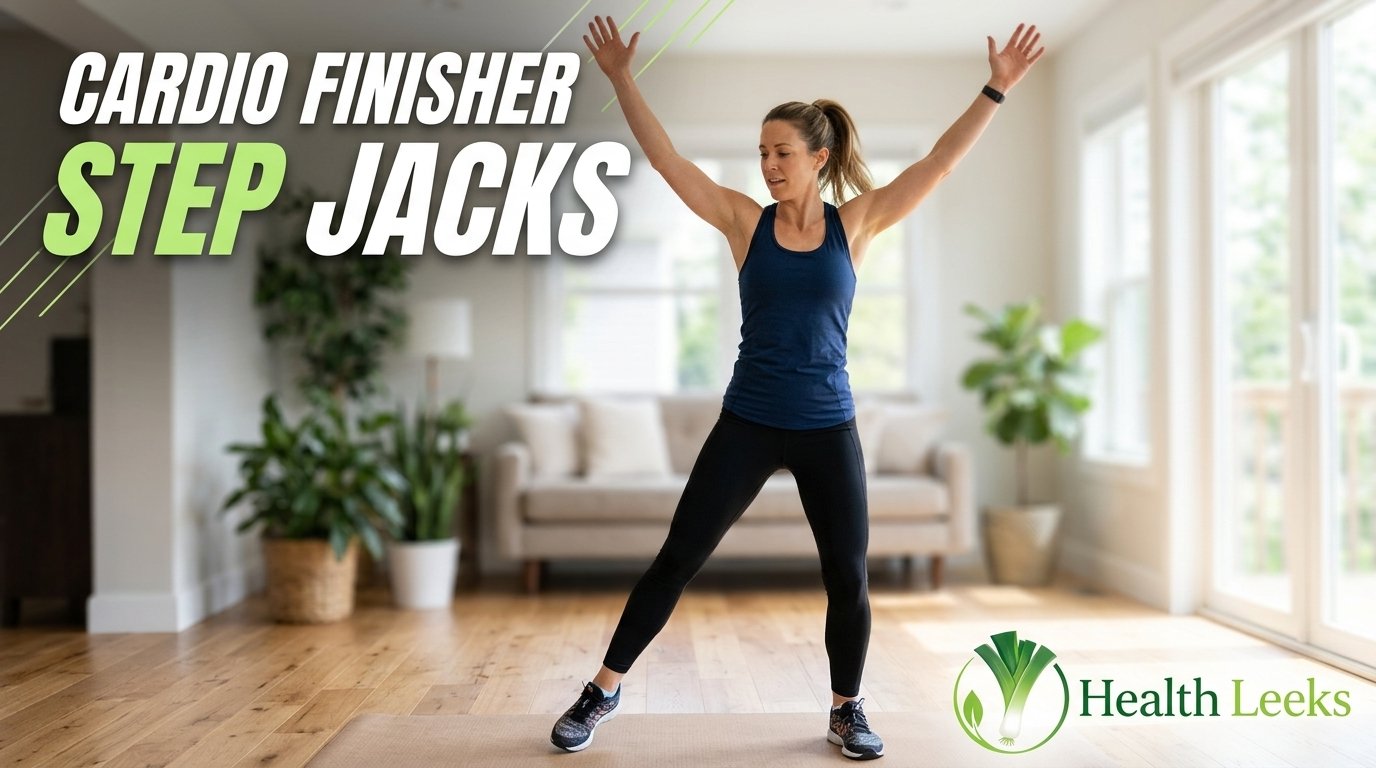
| 7:00 to 8:00 | Jumping jack, or step touch | 40 seconds work, 20 seconds rest |
| 8:00 to 9:00 | Glute bridge | 40 seconds work, 20 seconds rest |
| 9:00 to 10:00 | Superman | 40 seconds work, 20 seconds rest |
| 10:00 to 11:00 | Round rest, water, breathing | 60 seconds rest |
| 11:00 to 17:00 | Repeat all seven moves, same intervals | 40 seconds work, 20 seconds rest |
| 17:00 to 20:00 | Cool down, slow walk, gentle stretch, breathing | Continuous, gentle |
Plan A move notes, form first
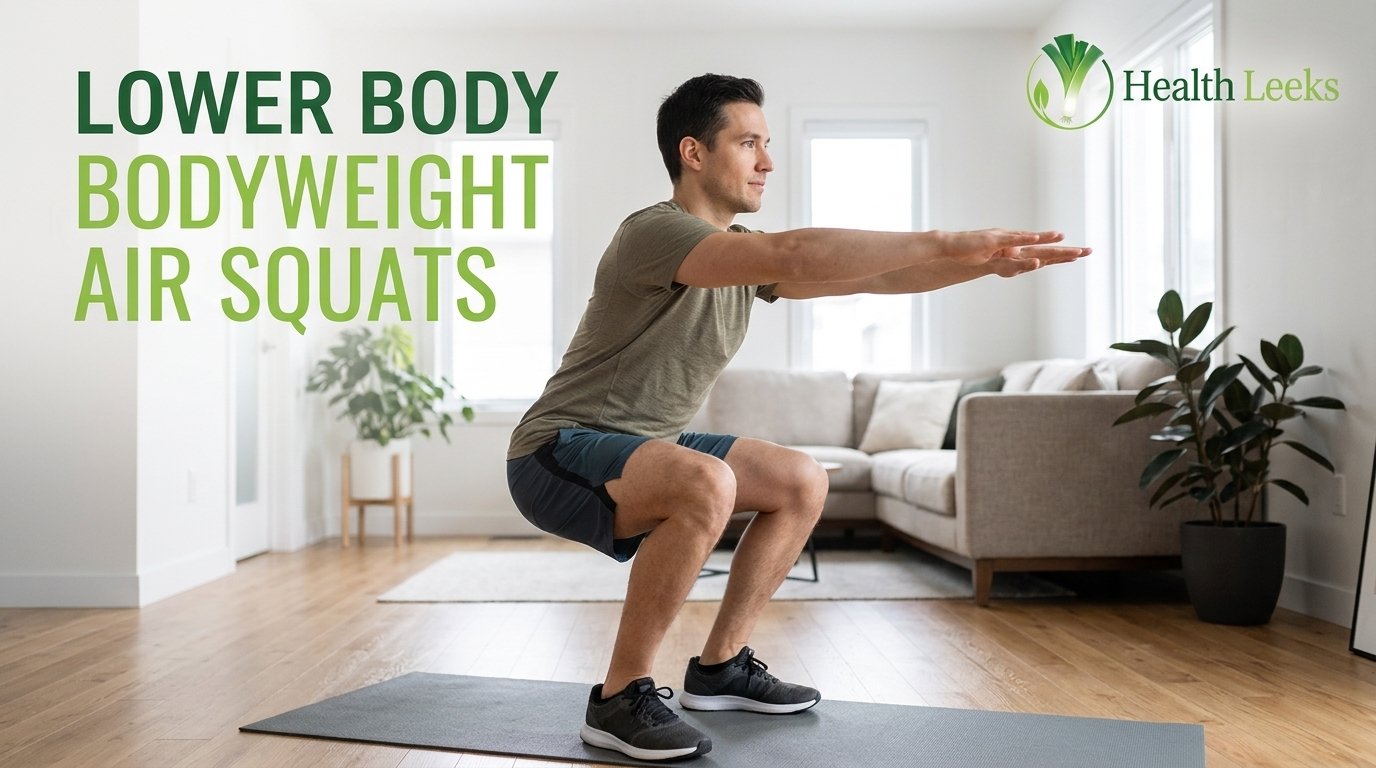
Squat form needs feet shoulder width apart, chest tall, hips sitting back, heels down, and knees tracking over toes. Depth should feel controlled, with thighs roughly parallel only if that depth stays pain free and balanced.
Push up form needs a straight line from head to heels, or head to knees for knee versions, with elbows at about forty five degrees. Lower slowly, press back without hips sagging or piking, and breathe normally throughout.
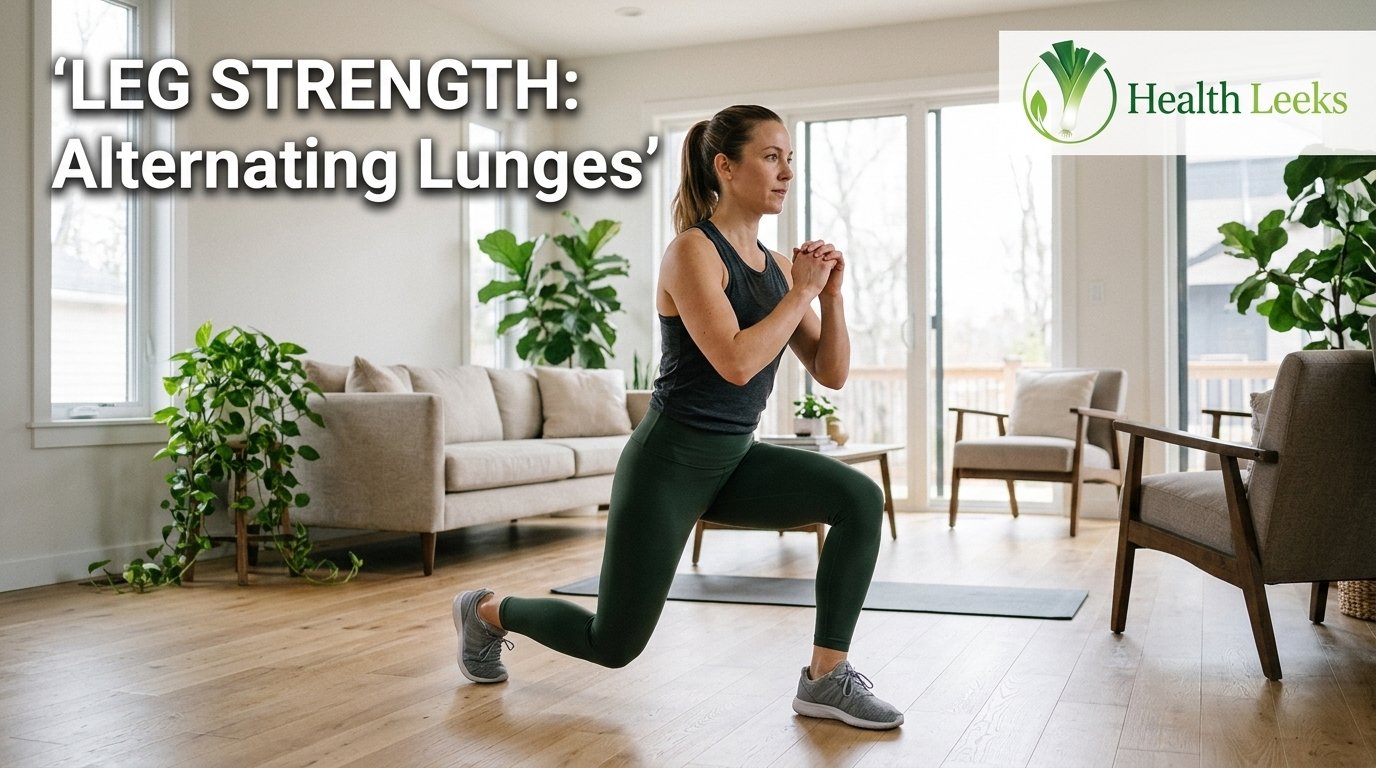
Lunge form needs a tall torso, front knee over the front foot, back heel lifted, and a step length that keeps balance steady. Reverse lunges suit most readers better than forward lunges, since balance feels steadier and the front leg controls landing.
Plank form needs elbows under shoulders, body straight, core braced, glutes gently engaged, and neck neutral, looking at the floor. Stop the hold when hips sag or pike, since short, clean planks beat long, sagging planks.
Glute bridge form needs feet flat, knees bent, hips lifting until shoulders, hips, and knees form a straight line, with glutes squeezing at the top. Keep ribs down and avoid arching the lower back, with a one to two second pause at the top.
Superman form needs lying face down, arms and legs lifting gently, with a small range that keeps the lower back comfortable. Arms only is the easier version, with legs staying down, while full arms and legs together is the harder version.
Plan B: No Repeat HIIT, 20 Minutes, No Equipment
No repeat means twenty different moves, done once each, with forty seconds work and twenty seconds rest, for a full body session that never repeats a move. Variety keeps boredom low, but form learning slows, since each move gets only one short practice.
Warm up is included in the first minute in many video versions, with a short start section, followed by moves in order, with a timer on screen. For a text version, use a three minute warm up first, then twenty moves at one minute each, for twenty three minutes total, or trim to seventeen moves for a strict twenty minutes.
Move order below follows a full body pattern, alternating lower body, upper body, cardio, and core, so no muscle group fatigues in a row. That alternation keeps heart rate up while allowing local recovery, which is the key to a sustainable HIIT session.
| Order | Move | Focus |
| 1 | Lateral jumping jack, or step touch | Cardio, legs |
| 2 | High knee, or marching | Cardio, hip flexors |
| 3 | Squat twist | Legs, core rotation |
| 4 | In and out quick step | Cardio, agility, low impact version: step touch |
| 5 | Squat | Legs, glutes |
| 6 | Push up | Chest, shoulders, arms |
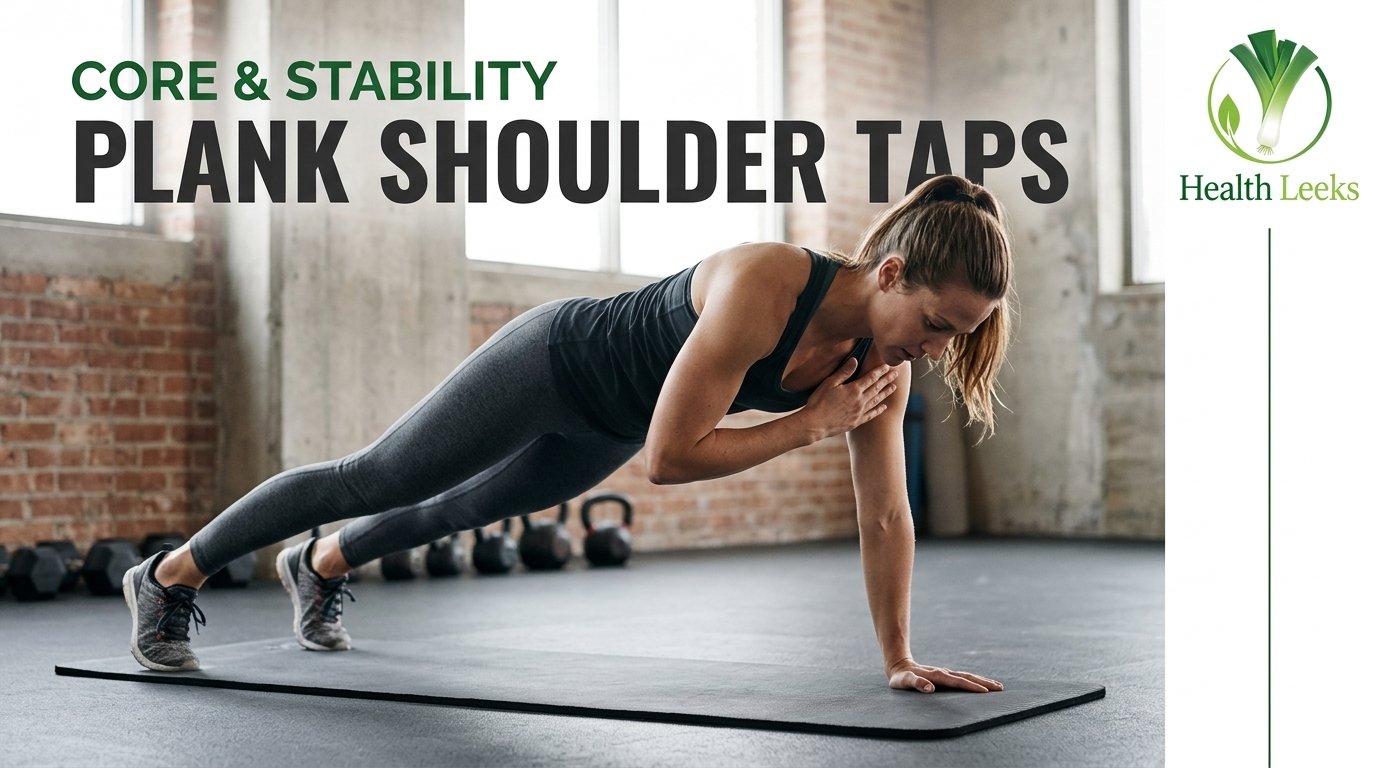
| 7 | Shoulder tap, plank position | Core stability, shoulders |
| 8 | Scissor jump, or step scissor | Cardio, legs, advanced only for jumps |
| 9 | Squat knee to elbow | Legs, core |
| 10 | Lateral high knee, or lateral march | Cardio, hips |
| 11 | Half burpee jack, or step back squat | Full body, advanced only for burpee version |
| 12 | Cross knee and toe touch, right | Core, balance |
| 13 | Cross knee and toe touch, left | Core, balance |
| 14 | Sitting cross punch | Core, shoulders, seated option |
| 15 | Flutter kick | Core, hip flexors |
| 16 | Skater, or side step with knee lift | Cardio, lateral legs |
| 17 | Plank jack, or plank step | Core, cardio, advanced only for jumps |
| 18 | Plyo lunge, or reverse lunge | Legs, advanced only for jumps |
| 19 | Mountain climber, or standing knee drive | Core, cardio |
| 20 | Squat jack, or squat with step out | Legs, cardio |
Calorie claim for one popular no repeat video is 248 calories burned during that workout, with results varying by weight and effort, according to that video description. Treat that figure as a single video claim, not a verified range, since body weight, pace, and move selection change burn sharply.
No repeat suits intermediate readers best, since beginners need repetition to learn form, while advanced readers need progression tracking that no repeat makes harder. Beginners can still use no repeat with step swaps and longer rests, provided they pause the timer whenever form breaks.
Plan C: All Standing Cardio HIIT, 20 Minutes, No Equipment
All standing means no floor work, with no planks on the floor, no push ups on the floor, and no core work lying down, so heart rate stays up throughout. That format suits small spaces, readers who dislike getting up and down, and readers with wrist or floor discomfort.
Work forty five seconds, rest fifteen seconds, with no repeat moves in popular video versions, and a cool down stretch link after the session. A text version can use fifteen moves at one minute each, plus warm up and cool down, for a strict twenty minutes, or twenty moves with a shorter warm up.
Standing moves below keep heart rate up through large muscle groups, arm movement, and continuous stepping, without jumps for the low impact version. Make moves bigger for more effort, smaller for less, with arms adding cardio load whenever legs feel tired.
| Order | Move, low impact version first | Focus |
| 1 | March with arm swing | Warm up, cardio |
| 2 | Side step with arm press | Legs, shoulders |
| 3 | Standing knee drive, alternating | Core, hip flexors |
| 4 | Squat with front punch | Legs, shoulders |
| 5 | Side lunge with knee drive, right | Legs, balance |
| 6 | Side lunge with knee drive, left | Legs, balance |
| 7 | Step back knee drive, right | Legs, core |
| 8 | Step back knee drive, left | Legs, core |
| 9 | Standing oblique crunch, alternating | Core, balance |
| 10 | Squat twist | Legs, core rotation |
| 11 | Cross punch with step | Shoulders, cardio |
| 12 | High knee march, brisk | Cardio, hip flexors |
| 13 | Side step with lateral raise | Legs, shoulders |
| 14 | Reverse lunge with front kick, low kick | Legs, balance |
| 15 | March with deep breathing, cool down start | Recovery, breathing |
Calorie claims for all standing videos are about 300 calories in two popular video descriptions, with body weight and effort as variables. Treat those figures as video claims, not verified ranges, since standing HIIT intensity varies widely by pace and arm movement.
All standing limits core work, since floor planks, dead bugs, and flutter kicks are excluded, so pair all standing days with a strength circuit day for full body balance. Standing oblique crunches and knee drives give some core work, but they do not replace plank and dead bug stability work.
Circuit Versus No Repeat: Which Fits You
Circuit repeats moves, no repeat changes moves, and that single difference drives learning, tracking, boredom, and progression. Neither format is better in general, since fit depends on level, goal, and patience for repetition.
Circuit wins for form learning, since the same squat, push up, and plank get practised twice in one session, and again next session. Errors get corrected on round two, and progression shows clearly as more reps, longer holds, or a harder version.
No repeat wins for variety, since twenty different moves keep attention high, especially for readers who quit from boredom. Variety also spreads muscle work across more patterns, but it makes form learning slower, since each move gets only forty seconds of practice.
Circuit wins for progression tracking, since rounds, reps, and time per move can be logged and compared week to week. No repeat progression is harder to track, since a different move list each session hides whether strength actually improved.
Circuit versus no repeat table
| Feature | Circuit, 7 moves, 2 rounds | No repeat, 20 moves, 1 round |
| Variety | Low, same moves repeated | High, new move every minute |
| Form learning | Strong, repetition per session | Weaker, one short practice per move |
| Progression tracking | Easy, same moves, same timer | Harder, different moves each session |
| Boredom risk | Higher, especially after weeks | Lower, especially for variety seekers |
| Timer needs | Simple, same interval repeated | Simple, same interval, but move changes each minute |
| Best for | Beginners, intermediates, strength focus | Intermediates, variety seekers, cardio focus |
| Worst for | Readers who quit from boredom | Beginners learning form, advanced tracking strength |
Strength Versus HIIT: Which Fits Your Goal
Strength circuits use longer rests, controlled tempo, and full range, with a focus on muscle tension, balance, and form. HIIT uses shorter rests, higher heart rate, and faster pace, with a focus on cardio conditioning and calorie burn per minute.
Strength suits muscle learning and joint safety, since slow reps, chair support, and wall versions keep load controlled. HIIT suits cardio fitness and time efficiency, since heart rate stays high, but it raises soreness, joint load, and form error risk, especially with jumps.
Recovery differs sharply, since strength circuits allow daily walking and alternate day strength, while hard HIIT needs forty eight hours before another hard session for most readers. Doing HIIT daily, especially Tabata daily, leads to fatigue, soreness, and dropout for most non athletes.
Strength versus HIIT table
| Feature | Strength circuit | HIIT, no repeat or Tabata |
| Main goal | Muscle strength, balance, core stability | Cardio conditioning, heart rate, calorie burn per minute |
| Work interval | 40 to 45 seconds, controlled tempo | 20 to 45 seconds, faster pace |
| Rest interval | 20 seconds, plus 60 to 120 seconds between rounds | 10 to 20 seconds, plus short water breaks |
| Heart rate | Moderate, with peaks | High, sustained |
| Joint load | Lower, with step swaps | Higher, with jumps unless low impact swaps used |
| Recovery needed | 24 to 48 hours for same muscles | 48 hours after hard HIIT for most readers |
| Best for | Beginners, intermediates, strength focus, knee friendly | Intermediates, advanced, cardio focus, time pressed |
| Worst for | Readers who want maximum cardio in 20 minutes | Beginners on day one, readers with knee, back, or heart concerns |
All Standing Versus Floor: Which Fits Your Space and Knees
All standing keeps heart rate up, since no time is lost getting up and down, and no floor transitions break rhythm. Floor work adds core stability, push up strength, and glute work that standing moves cannot fully replace.
Floor work suits core and upper body strength, with planks, push ups, dead bugs, and glute bridges giving direct muscle loading. Standing work suits cardio, balance, and small spaces, with knee drives, squats, and punches giving continuous movement.
Knee load differs, since floor glute bridges and side lying leg lifts load knees lightly, while standing lunges and squats load knees more, especially with depth and speed. Knee friendly readers should mix floor glute work with shallow standing squats, rather than choosing only one format.
All standing versus floor table
| Feature | All standing | Floor included |
| Heart rate | Stays up, no transitions | Rises and falls with floor transitions |
| Muscle coverage | Legs, shoulders, core rotation, limited push and plank | Legs, push, plank, glute, core, full body |
| Core work | Standing oblique crunch, knee drive, moderate | Plank, dead bug, flutter kick, strong |
| Knee load | Moderate to high, depending on squat and lunge depth | Low to moderate, with glute bridge and side lying options |
| Space needed | Small, 2 by 2 metres, no mat needed | Small, plus mat for floor comfort |
| Wrist load | Low, no floor push up or plank | Moderate, with push up and plank, use knee versions if needed |
| Best for | Small space, dislike floor work, cardio focus | Strength focus, core focus, full body balance |
Level Graded Move Library: Beginner, Intermediate, Advanced
Level changes happen per move, not per whole session, so a reader can use a beginner push up, an intermediate squat, and an advanced plank in the same circuit. That mix is normal, since strength varies by muscle group, and it beats forcing every move to one level.
Progression rule is simple, make a move harder only when the last reps feel easy with perfect form. Add reps first, then rounds, then time, then tempo, then range, then a harder version, one change per week, never all changes at once.
Squat ladder
| Level | Version | Form cue |
| Beginner | Chair squat, touch and stand | Chest tall, heels down, knees over toes |
| Intermediate | Bodyweight squat, full range | Hips back, depth controlled, slow lower, 3 seconds down |
| Advanced | Jump squat, soft landing | Land softly, knees tracking, no deep jump on hard floors, stop if knees hurt |
Push up ladder
| Level | Version | Form cue |
| Beginner | Wall push up, steeper angle | Straight line, elbows about 45 degrees, slow lower |
| Intermediate | Knee push up, or incline push up on counter | Straight line head to knees, or head to heels on incline, no sag |
| Advanced | Full push up, or decline push up, feet raised | Straight line head to heels, chest to floor, no pike, stop if shoulders hurt |
Lunge ladder
| Level | Version | Form cue |
| Beginner | Step back, no deep bend, chair support | Tall torso, short step, balance steady |
| Intermediate | Reverse lunge, or walking lunge | Front knee over foot, back heel lifted, torso tall |
| Advanced | Jump lunge, or plyo lunge, soft landing | Land softly, knees tracking, no jump if knees, ankles, or neighbours complain |
Core ladder
| Level | Version | Form cue |
| Beginner | Dead bug, or knee plank, 15 seconds | Lower back still for dead bug, straight line for knee plank, breathe normally |
| Intermediate | Forearm plank, 30 to 45 seconds, or bird dog | Straight line, level hips, no sag, no pike |
| Advanced | Plank shoulder tap, or plank jack, controlled | Hips level, no rocking, step version before jump version |
Cardio ladder
| Level | Version | Form cue |
| Beginner | Marching, step touch, walking jack | Light steps, soft landing, arms swing naturally |
| Intermediate | Jumping jack, high knee, mountain climber at moderate pace | Land softly, core braced, pace controlled |
| Advanced | Burpee, skater jump, scissor jump, Tabata pace | Land softly, form first, stop if joints hurt, rest longer if needed |
Goblet squat note: goblet squat normally uses a dumbbell or kettlebell held at the chest, so it is an equipment option, not a no equipment move. Use bodyweight squat for the no equipment version, and label goblet squat as a later dumbbell or kettlebell progression only.
Low Impact Swaps: No Jumping, Small Space, Quiet
Low impact means one foot stays on the floor, with no jumps, no hops, and no hard landings, which suits knees, joints, and apartment neighbours. Low impact does not mean low effort, since slow, controlled reps with good range still raise heart rate and build strength.
Step instead of jump for every high impact move, with a step touch for jumping jacks, marching for high knees, step back for burpees, and side step for skaters. Keep one foot on the floor, land softly, and use a mat for noise and comfort on hard floors.
Low impact swap table
| High impact move, advanced only | Low impact swap | Joint note | Noise note |
| Jumping jack | Step touch, or walking jack | No landing load on knees or ankles | Quiet, apartment friendly |
| Jump squat | Bodyweight squat, slow, 3 seconds down | No landing load, depth controlled | Quiet, no floor thump |
| Burpee | Step back, squat, wall push up, separately | No floor drop, no jump, no wrist load from fast plank | Quiet, no floor impact |
| Mountain climber, floor, fast | Standing knee drive, slow | No wrist load, no fast hip flexion | Quiet, no floor movement |
| Skater jump | Side step with knee lift | No lateral landing, balance controlled | Quiet, small space |
| Plyo lunge | Reverse lunge, slow | No landing load, balance controlled | Quiet, small space |
| Plank jack, jump | Plank step, alternating feet | No jump load, hips level, core controlled | Quiet, no floor impact |
| Scissor jump | Step scissor, alternating steps | No jump load, coordination controlled | Quiet, small space |
How Often, Weekly Schedule, and CDC Math
Three to four sessions per week, on alternate days, suit most readers, with at least one rest day between hard sessions for the same muscles. Hard HIIT needs forty eight hours before another hard session, while strength circuits allow alternate day training with walking on other days.
Walking or gentle movement on other days adds aerobic minutes, improves mood, and keeps the habit alive without overloading muscles. A walk, a gentle cycle, or a dance session all count as aerobic activity, provided intensity feels moderate, with breathing noticeably harder but talking still possible.
CDC recommendations for adults, from the Centers for Disease Control and Prevention, call for 150 minutes of moderate intensity aerobic activity per week, or 75 minutes of vigorous activity, or an equivalent mix, plus muscle strengthening on at least 2 days. Some activity is better than none, and benefits increase with more activity, according to CDC summaries.
Weekly math matters, since three sessions of 20 minutes equal 60 minutes, and four sessions equal 80 minutes, both less than the 150 minute aerobic target. Add walking days, for example 30 minutes on three other days, to reach 150 minutes total, with two of the strength sessions counting toward the muscle strengthening target.
Weekly schedule example, mixed formats
| Day | Session | Minutes | Type |
| Monday | Strength circuit, Plan A | 20 | Strength, plus some aerobic |
| Tuesday | Walking at home, gentle to brisk | 30 | Aerobic |
| Wednesday | All standing cardio, Plan C, low impact if needed | 20 | Aerobic, plus some strength |
| Thursday | Rest, or gentle stretching | 10 to 20 | Recovery |
| Friday | Strength circuit, Plan A, or no repeat HIIT, Plan B | 20 | Strength or HIIT |
| Saturday | Walking at home, gentle to brisk | 30 | Aerobic |
| Sunday | Rest, or gentle stretching | 10 to 20 | Recovery |
Older adults add balance work, according to CDC older adult recommendations, with balance activities each week, plus the same 150 minutes aerobic and 2 days muscle strengthening targets. Chair support, heel to toe walking, and single leg balance practice, with support nearby, suit older readers well.
Progression Without Weights: 4 Week Plan
Week one sets the habit, with beginner versions, two rounds for circuits, and a focus on form, breathing, and recovery. Soreness the next day is normal, while sharp pain is not, and extra rest beats pushing through pain.
Week two adds reps or time, with the same rounds, but slightly more reps per move, or slightly longer holds, when the last reps feel easy. Keep rest the same, keep form clean, and keep one to two good reps in reserve.
Week three adds a round or a format change, with three rounds for circuits, or a no repeat session replacing one circuit session, provided recovery feels easy. A third round adds about six to seven minutes, so total session time rises, which is fine, since twenty minutes is a starting point, not a ceiling.
Week four adds a harder version, with knee push ups instead of wall push ups, full squats instead of chair squats, or forearm planks instead of knee planks, one move at a time. Change only one move per week, so progress stays trackable and safe.
4 week progression table
| Week | Format mix | Rounds or moves | Rest | Effort target |
| Week 1 | Strength circuit only, beginner versions | 2 rounds, 7 moves, 40 seconds work, 20 seconds rest | 60 to 90 seconds between rounds | Easy to moderate, 2 reps in reserve |
| Week 2 | Strength circuit, plus one walking day | 2 rounds, same moves, slightly more reps or longer holds | 60 seconds between rounds | Moderate, 1 to 2 reps in reserve |
| Week 3 | Strength circuit, plus one all standing or no repeat session | 3 rounds for circuit, or 20 moves for no repeat | 45 to 60 seconds between rounds | Moderate, 1 rep in reserve |
| Week 4 | Mixed formats, plus one harder version per move family | 3 rounds, plus one harder version, one move at a time | 45 seconds between rounds | Moderate to hard, 1 rep in reserve, form clean |
Review after four weeks, checking sessions completed, formats tried, rounds, reps, soreness, and any pain, before adding bands, dumbbells, or Tabata. A simple session log, with date, format, rounds, reps, effort, and notes, shows progress better than memory alone.
How Many Calories: Honest Range Only
Calorie burn varies by body weight, pace, effort, format, and move selection, so no single number fits every reader. Competitor and video figures below are labelled as competitor or video claims only, and they must not be presented as guaranteed burns.
| Format, competitor framing | Competitor claim, 20 minutes | Variables |
| HIIT bodyweight, Echelon range | 150 to 240 calories | Intensity, body weight, move selection |
| Strength, Echelon range | 100 to 180 calories | Load, tempo, rest, body weight |
| Pilates, Echelon range | 80 to 140 calories | Intensity, body weight |
| Yoga flow, Echelon range | 60 to 100 calories | Intensity, body weight |
| No repeat HIIT, TIFF x DAN video claim | 248 calories, results vary | Body weight, effort, move selection |
| All standing HIIT, video claims | About 300 calories | Pace, arm movement, body weight |
| Tabata, Millionaire Hoy estimate | 129 to 252 calories | Intensity, level, body weight |
Low authority claims to exclude: Journee-Mondiale 300 calories and 12 to 15 calories per minute for burpees and mountain climbers, GearUpToFit 300 calorie average with 5 percent leg muscle and 40 percent back pain risk claims, and Echelon HIIT equivalence to 45 minute moderate sessions, all lack a named study, population, and protocol in fetched text. Do not copy them as research.
Fat loss, where it occurs, comes from total energy balance, including diet, total activity, sleep, and consistency over weeks, not from one 20 minute session or one abdominal move. Core work builds core strength and stability, while spot reduction from crunches does not remove belly fat specifically.
Common Mistakes and Fixes
- Speed over form, rushing reps to beat the clock, with knees caving, back arching, or hips sagging. Fix: slow each rep, use the easier version, and stop the set when form breaks.
- Too much too soon, starting with Tabata, burpees, and jump squats on day one. Fix: start with a strength circuit, beginner versions, and add one progression per week.
- Skipping warm up, jumping straight into squats and HIIT cold. Fix: keep the full warm up, even on busy days, with marching and gentle squats first.
- Skipping cool down, stopping suddenly after the last round. Fix: keep the cool down, with slow walking and breathing, before sitting down.
- No rest days, doing hard HIIT daily for the same muscles. Fix: use alternate days for hard sessions, with walking or gentle movement on other days.
- Holding breath, especially during planks, bridges, and squats. Fix: breathe normally, exhale on effort, inhale on return, and shorten the hold if breathing stops.
- Ignoring sharp pain, pushing through knee, back, wrist, or shoulder pain. Fix: stop at once, note the move and pain location, and seek clinician or physical therapist advice before repeating it.
- Copying a creator’s pace exactly, matching a video speed, depth, or reps without regard for level. Fix: use your own level versions, your own range, and your own progression table.
- No tracking, relying on memory for format, rounds, reps, and soreness. Fix: log date, format, rounds, reps, effort, and notes after each session, and review weekly.
- All or nothing thinking, skipping a week after one missed session. Fix: do a shorter session, one round only, or a walk, and return to the normal schedule next day.
Expert Tips
- Same time, same place, with a mat laid out the night before, turns a decision into a habit. Habit stacking, pairing the session with a morning coffee or lunch break, works better than willpower alone.
- Lay out clothes and water before the session, so the only step left is pressing start on the timer. Friction kills habits faster than difficulty, especially on busy mornings.
- Track sessions, not just results, with a simple log of date, format, rounds, reps, and effort. Sessions completed is the best early progress metric, since strength and stamina follow consistency.
- Use a talk test for intensity, aiming for breathing that feels noticeably harder, while still able to speak in short sentences for moderate work. That level matches moderate intensity for most readers, without a heart rate monitor.
- Film one set per week, with a phone on a chair, to check squat depth, push up line, and plank position. Video feedback shows form errors that mirrors miss, especially for hips and knees.
- Change one variable at a time, reps, rounds, time, tempo, range, or version, never all variables in the same week. Single variable changes make progress trackable and safe.
- Pair strength days with walking days, so weekly aerobic minutes rise without adding strength overload. Walking also aids recovery, mood, and sleep, in general association, not as a promise.
- Keep a backup session, one round only, or a 20 minute walk, for low energy days. A short session preserves the habit, while a skipped week breaks it.
- Review shoes and floor, with supportive shoes, a non slip surface, and a mat thick enough for knees. Worn out shoes and slippery floors cause avoidable slips and knee discomfort.
- Celebrate consistency milestones, such as 4 weeks completed, 12 sessions logged, or a first full push up progression. Milestones based on sessions, not weight or appearance, build a sustainable habit.
Equipment: Optional Only, Later Progressions
Mat is the most useful optional item, with a thick mat helping knees, elbows, and noise on hard floors. A folded towel works as a short term alternative, and no mat is needed for standing moves.
Supportive shoes help, with a stable, non slip sole, good heel support, and no worn out tread. Bare feet on a mat work for many readers, provided the surface is non slip and balance feels steady.
Resistance bands come later, with light bands adding gentle load to squats, bridges, and rows, only after bodyweight rounds feel easy. Bands are quiet, small space friendly, and cheap, but they are not needed for the core no equipment plans.
Dumbbells and kettlebells come later still, with goblet squats, rows, and carries as later progressions, only after form, balance, and recovery feel solid. Kettlebell swings and heavy dumbbell work are intermediate moves, not beginner day one moves, and they need coaching or careful form learning.
Equipment comparison
| Item | Required for core plans | Beginner use | Later use |
| Mat | No, optional | Knee and elbow comfort, noise reduction | Same, plus floor core work |
| Chair, sturdy | No, but useful | Chair squat, balance support, seated dip | Step up, supported split squat |
| Wall | No, but useful | Wall push up, wall plank, balance support | Incline push up progression |
| Resistance band, light | No | Later, after bodyweight rounds feel easy | Squat, bridge, row, lateral walk |
| Dumbbell, light | No | Later, after bodyweight form is solid | Goblet squat, row, carry, press |
| Kettlebell | No | Later, with coaching or careful learning | Deadlift, goblet squat, carry, halo |
FAQs
Is a 20 minute workout without equipment enough?
Yes, for starting and for busy weeks, since a 20 minute session, 3 to 4 days a week, gives 60 to 80 minutes of activity, which is a strong habit base. CDC recommendations call for 150 minutes of moderate aerobic activity per week, plus muscle strengthening on at least 2 days, so add walking days to reach the full weekly target.
What is the best 20 minute workout at home without equipment?
Best depends on level, space, and goal, with strength circuits best for form learning, no repeat HIIT best for variety, and all standing best for small spaces and floor free cardio. Use the format chooser table above, start at your level, and switch formats only when recovery and form stay solid.
How many calories does a 20 minute no equipment workout burn?
Competitor and video claims range from 60 to about 300 calories, depending on format, body weight, pace, and effort, with yoga and Pilates at the low end and HIIT at the high end. Use the range as a rough guide only, with no guaranteed burn, and focus on consistency, not calorie counting per session.
Should I do HIIT or strength for a 20 minute no equipment workout?
Choose strength for muscle learning, balance, and lower injury risk, with 40 seconds work and 20 seconds rest, and choose HIIT for cardio conditioning, with shorter rests and higher heart rate, only when form, balance, and recovery feel solid. Alternate them across the week for full body balance.
What is the difference between a circuit workout and a no repeat workout?
A circuit repeats the same 5 to 7 moves for 2 to 4 rounds, which helps form learning and progression tracking, while a no repeat workout uses 20 different moves once, which helps variety and boredom, but makes form learning and progression harder to track.
What is an all standing workout?
An all standing workout uses no floor work, with no planks on the floor, no push ups on the floor, and no lying core work, so heart rate stays up throughout. It suits small spaces, readers who dislike getting up and down, and readers with wrist or floor discomfort, but it needs a strength day for full core and push work.
What is a Tabata workout?
Tabata uses 20 seconds work and 10 seconds rest, repeated 8 times per move, for 4 minutes per move, at high intensity. It suits advanced readers only, with solid form, good recovery, and no knee, back, or heart concerns, and it should not be a day one format.
How often should I do a 20 minute no equipment workout?
Three to four sessions per week, on alternate days, suit most readers, with at least one rest day between hard sessions for the same muscles. Add walking or gentle movement on other days, and increase days or rounds only when form stays clean and soreness recovers.
Can I do a 20 minute no equipment workout every day?
Daily gentle movement is fine, such as walking, stretching, or a short mobility session, but daily hard HIIT or daily strength for the same muscles is not ideal. Muscles recover and adapt during rest, so alternate hard days with walking or rest days.
Can you build muscle with bodyweight workouts only?
Yes, to a point, especially for beginners and intermediates, with progressive overload through reps, rounds, time, tempo, range, and harder versions. Advanced muscle building eventually needs heavier loading, such as bands, dumbbells, or kettlebells, but bodyweight work builds a strong base first.
How do I make a no equipment workout harder without weights?
Add reps first, then rounds, then time, then tempo, then range, then a harder version, one change per week. Slow the lowering phase to three seconds, pause at the bottom, shorten rest, or move from wall push up to knee push up, then to full push up.
How do I make a no equipment workout easier as a beginner?
Use beginner versions for every move, with chair squats, wall push ups, half glute bridges, step backs, and knee planks, plus longer rests between rounds. Reduce rounds to two, reduce work time to thirty seconds, and increase rest to thirty seconds, until form feels easy.
How do I do a no equipment workout in a small apartment?
Use a space about two metres by two metres, with all moves in place, no travel across the room, no jumps, and no dropped weights. Reverse lunges in place, side steps in place, and marching in place give full body work without travel or noise.
How do I do a no equipment workout with no jumping?
Use step instead of jump for every move, with step touch replacing jumping jacks, marching replacing high knees, step back replacing burpees, and side step replacing skaters. Keep one foot on the floor at all times, land softly, and use a mat for noise and comfort.
What is the beginner version of a squat, push up, and plank?
Beginner squat is a chair squat, touching a sturdy chair and standing tall, beginner push up is a wall push up at a steep angle, and beginner plank is a knee plank or wall plank, 15 seconds, with a straight line and normal breathing. Progress one move at a time, only when the last reps feel easy with clean form.
Is a 20 minute no equipment workout enough to lose weight?
A 20 minute workout helps total activity, which supports weight management over time, but weight change depends mainly on total energy balance, diet, sleep, and consistency across weeks. No single session, move, or workout promises weight loss, and spot reduction from abdominal moves does not work.
Does a 20 minute no equipment workout meet CDC recommendations?
Three to four sessions of 20 minutes equal 60 to 80 minutes, which is less than the 150 minute aerobic target, but two of those sessions count toward the muscle strengthening target. Add walking days, for example 30 minutes on three other days, to reach 150 minutes total, with strength days included.
How do I start a no equipment workout as a complete beginner?
Start with the strength circuit above, two rounds, beginner versions, and a session log, on three non consecutive days. Lay out a mat, chair, and water the night before, set a timer, and focus on form and consistency, not speed or depth.
What should I do if I feel dizzy during a HIIT workout?
Stop at once, sit or lie down, drink water, and breathe slowly, with a chair or wall for support. Seek care promptly if dizziness repeats, comes with chest pain, shortness of breath, or fainting, and check with a clinician before the next hard session.
How do I track progress in a no equipment workout?
Log date, format, rounds, reps, effort, and notes after each session, with a weekly review of sessions completed, form quality, and soreness. Progress shows as more reps with clean form, longer planks, easier rounds, and faster recovery, not just as weight or appearance changes.
What is progressive overload without weights?
Progressive overload without weights means gradually increasing challenge through reps, rounds, time, tempo, range, and harder versions, one change per week. Slow lowering, pause at the bottom, shorter rest, and a harder version all increase load without adding external weight.
Can I add resistance bands to a no equipment workout later?
Yes, light bands are a good later progression, with squats, bridges, rows, and lateral walks, only after bodyweight rounds feel easy with clean form. Bands are quiet, small space friendly, and cheap, but they change the core no equipment format, so label band sessions separately.
When should I add dumbbells to a bodyweight workout?
Add dumbbells only after bodyweight form, balance, and recovery feel solid, with goblet squats, rows, carries, and presses as later options. Start light, learn form with coaching or careful video learning, and keep bodyweight days in the week for balance and recovery.
Conclusion
20 minute workout at home without equipment succeeds when format matches level, with a strength circuit for form learning, no repeat HIIT for variety, and all standing cardio for small spaces and floor free days. Start with the format chooser, use beginner versions freely, and progress one variable per week, with rest days, walking days, and a session log for tracking.
For most readers, the practical next step is clear: set a timer for twenty minutes, start with Plan A, use the level versions that keep form clean, and log the session. Add walking days to reach CDC weekly targets, keep hard HIIT for later weeks, and seek clinician advice for pain, dizziness, or any condition that affects safe exercise.





2 thoughts on “20 Minute Workout at Home Without Equipment: Full Body Plan”